In the dynamic world of plastic processing, the significance of effective plastic drying equipment cannot be overstated. As a dedicated supplier in this field, I’ve witnessed firsthand the diverse needs of manufacturers and the wide array of drying solutions available in the market. This blog aims to explore the different types of plastic drying equipment, their features, and their applications, providing valuable insights for those looking to optimize their plastic processing operations. Plastic Drying Equipment
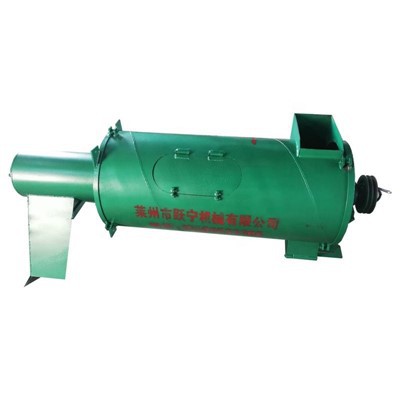
Desiccant Dryers
Desiccant dryers are among the most popular types of plastic drying equipment due to their ability to achieve low dew points, which is crucial for drying hygroscopic plastics. These dryers work on the principle of adsorption, where a desiccant material, such as silica gel or molecular sieves, attracts and holds moisture from the air passing through it.
How They Work
The process typically involves two towers filled with desiccant. While one tower is drying the air, the other is being regenerated. The moist air is first passed through a pre – filter to remove any dust or debris. Then, it enters the drying tower, where the desiccant adsorbs the moisture. The dried air is then heated and sent to the plastic hopper to dry the plastic pellets.
During the regeneration phase, the desiccant in the other tower is heated to release the adsorbed moisture. The hot, moist air is then vented out of the system. This cycle ensures a continuous supply of dry air for the plastic drying process.
Advantages
- Low Dew Points: Desiccant dryers can achieve dew points as low as -40°C or even lower, making them suitable for drying plastics that require extremely low moisture content, such as polycarbonate, nylon, and PET.
- Versatility: They can be used with a wide range of plastics, both hygroscopic and non – hygroscopic.
- Consistent Drying: The ability to maintain a stable dew point ensures consistent drying results, which is essential for high – quality plastic products.
Applications
Desiccant dryers are commonly used in industries such as automotive, electronics, and packaging, where the quality of the plastic parts is critical. For example, in the production of automotive components, the use of dry plastic ensures proper molding and reduces the risk of defects such as voids and surface blemishes.
Hot Air Dryers
Hot air dryers are a more straightforward and cost – effective option for drying plastics. These dryers work by circulating hot air around the plastic pellets to evaporate the moisture.
How They Work
The hot air is generated by an electric heater or a gas burner. The air is then blown into the plastic hopper, where it comes into contact with the plastic pellets. As the hot air passes through the pellets, it absorbs the moisture and carries it out of the hopper.
The temperature and airflow rate can be adjusted to control the drying process. In some hot air dryers, a thermostat is used to maintain a constant temperature, ensuring consistent drying.
Advantages
- Simple Design: Hot air dryers have a relatively simple design, which makes them easy to operate and maintain.
- Cost – Effective: They are generally less expensive to purchase and operate compared to desiccant dryers.
- Suitable for Non – Hygroscopic Plastics: Hot air dryers are well – suited for drying non – hygroscopic plastics, such as polyethylene and polypropylene, which do not require extremely low moisture levels.
Applications
Hot air dryers are widely used in small – to medium – scale plastic processing operations, such as injection molding shops and extrusion plants. They are also suitable for drying recycled plastics, where the moisture content is not as critical as in some high – performance applications.
Vacuum Dryers
Vacuum dryers offer a unique approach to plastic drying by using a vacuum environment to lower the boiling point of water. This allows for faster and more efficient drying, especially for heat – sensitive plastics.
How They Work
The plastic pellets are placed in a vacuum chamber, and the air is evacuated from the chamber. As the pressure inside the chamber decreases, the boiling point of water also decreases. This means that the moisture in the plastic can be evaporated at a lower temperature, reducing the risk of thermal degradation.
A heating element is used to provide the necessary heat for evaporation. The vaporized moisture is then removed from the chamber by a vacuum pump.
Advantages
- Fast Drying: Vacuum dryers can achieve faster drying times compared to other types of dryers, especially for thick – walled or high – moisture plastics.
- Low Temperature Drying: The ability to dry at low temperatures makes vacuum dryers suitable for heat – sensitive plastics, such as some biodegradable polymers.
- Reduced Oxidation: The vacuum environment reduces the exposure of the plastic to oxygen, which can help prevent oxidation and degradation.
Applications
Vacuum dryers are commonly used in the production of medical plastics, optical components, and high – performance engineering plastics, where the quality and integrity of the plastic are of utmost importance.
Fluidized Bed Dryers
Fluidized bed dryers use a stream of hot air to suspend the plastic pellets in a fluid – like state, allowing for efficient heat and mass transfer.
How They Work
The plastic pellets are fed into a drying chamber, where a stream of hot air is introduced from the bottom. The air velocity is adjusted to suspend the pellets in the air, creating a fluidized bed. As the pellets move around in the fluidized bed, they come into contact with the hot air, which evaporates the moisture.
The dried pellets are then removed from the top of the chamber, while the moist air is vented out.
Advantages
- High Heat Transfer Efficiency: The fluidized bed provides a large surface area for heat transfer, resulting in fast and efficient drying.
- Uniform Drying: The movement of the pellets in the fluidized bed ensures uniform drying, reducing the risk of over – or under – drying.
- Good for Granular Plastics: Fluidized bed dryers are well – suited for drying granular plastics, as the fluidization process helps to break up any clumps and ensures even drying.
Applications
Fluidized bed dryers are used in various industries, including chemical, food, and plastic processing. In the plastic industry, they are often used for drying plastic granules before further processing, such as compounding or molding.
Choosing the Right Plastic Drying Equipment
Selecting the appropriate plastic drying equipment depends on several factors, including the type of plastic, the required moisture content, the production volume, and the budget.
- Type of Plastic: Hygroscopic plastics, such as nylon and PET, require desiccant dryers to achieve the low moisture levels needed for proper processing. Non – hygroscopic plastics can often be dried using hot air dryers.
- Required Moisture Content: If a very low moisture content is required, desiccant or vacuum dryers are the best options. For less critical applications, hot air or fluidized bed dryers may be sufficient.
- Production Volume: High – volume production operations may require more advanced and efficient drying equipment, such as desiccant dryers or fluidized bed dryers. Small – scale operations may find hot air dryers to be a more cost – effective solution.
- Budget: The cost of the drying equipment, as well as the operating costs, should be considered. Desiccant dryers are generally more expensive to purchase and operate, while hot air dryers are more affordable.
As a plastic drying equipment supplier, I understand the importance of choosing the right equipment for your specific needs. Our team of experts can provide personalized advice and guidance to help you select the most suitable drying solution for your plastic processing operations.
Conclusion
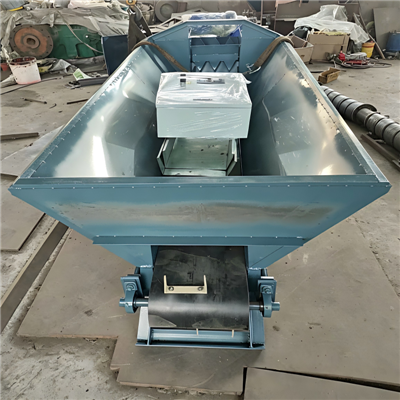
The market offers a wide range of plastic drying equipment, each with its own unique features and advantages. Whether you are a small – scale plastic processor or a large – scale manufacturer, there is a drying solution that can meet your needs. By understanding the different types of plastic drying equipment and their applications, you can make an informed decision and optimize your plastic processing operations.
Plastic Drying Equipment If you are interested in learning more about our plastic drying equipment or would like to discuss your specific requirements, please feel free to reach out. Our team is ready to assist you in finding the perfect drying solution for your business.
References
- "Plastics Processing Handbook" by O. Olabisi
- "Drying of Polymers" by R. A. Pethrick and R. A. Pethrick
Laizhou Yuening Machinery Co., Ltd.
As one of the most reliable plastic drying equipment manufacturers in China, we warmly welcome you to buy cheap plastic drying equipment made in China here from our factory. All customized machines are with high quality and low price. For pricelist, contact us now.
Address: Yuanjia Village, Luwang, Shahe Town, Laizhou City, Yantai City, Shandong Province
E-mail: yueningjixie@163.com
WebSite: https://www.ynplasticmachinery.com/
