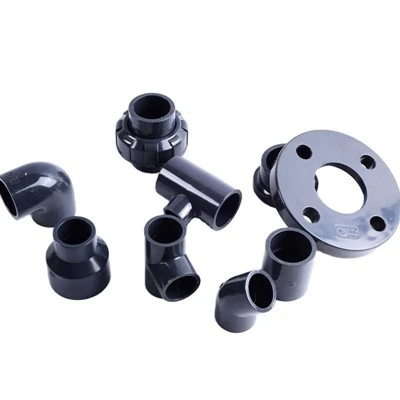
As a supplier of PP-R pipes and fittings, I get asked a lot of questions about where our products can be used, and one that comes up more often than you might expect is whether PP-R works in geothermal systems. At first, it’s a question I didn’t give much thought to—after all, our pipes are designed for hot and cold water distribution, right? But over the years, I’ve worked with homeowners, contractors, and even engineers who’ve run into problems when they’ve chosen the wrong materials for their geothermal setups. That’s why I decided to dive deep into the science behind PP-R and geothermal energy, so I could give clear, honest answers instead of just vague explanations. PP-R Pipes and Fittings
First, let’s break down what a geothermal system actually does. Unlike traditional HVAC systems that burn fuel or move air, geothermal systems use the consistent temperature of the earth—just a few feet below ground, the temperature stays around 50 to 60 degrees Fahrenheit year-round, no matter the season. In the winter, they pull that heat up into your home; in the summer, they push hot air from your home down into the earth to cool it off. The part that relies on pipes is called the loop system: it’s a network of pipes buried underground that carries a fluid mix (usually water and antifreeze) between your home’s heat pump and the ground. That fluid is the heart of the system, so the pipes it flows through have to hold up to a lot of specific conditions.
When I first started looking into this, I remembered our PP-R pipes’ key properties: polypropylene random copolymer is a thermoplastic, meaning it gets soft when heated but hardens again as it cools. It’s resistant to corrosion, doesn’t leach chemicals into water, and can handle temperatures up to around 180 degrees Fahrenheit for short periods. Those sound like positives, but geothermal loop systems have their own unique stresses. There are two main types of loops: closed and open. Closed loops are the most common for residential setups—they’re sealed, so the same fluid circulates over and over through the buried pipes. Open loops, on the other hand, pull groundwater from a well, use it to transfer heat, and then discharge it back.
Early on, I heard a contractor say he tried PP-R in a closed horizontal loop a few years ago. It didn’t last two years. When he pulled the pipes up, they were brittle—cracked in multiple places, even though the fluid temperature never went above 100 degrees. That made me pause. Why would a material that’s supposed to handle hot water fail here? I started digging into material science and found the answer: thermal cycling. Geothermal systems don’t move water at a constant temperature. In the winter, the fluid is around 30 to 40 degrees when it goes into the loop, warms up as it absorbs ground heat, then goes back to the heat pump at maybe 100 degrees. In the summer, that cycle flips: fluid goes into the loop at 90 to 100 degrees, cools to 50 degrees, and heads back to the pump. That constant expansion and contraction from temperature swings is called thermal cycling, and it breaks down thermoplastics over time. For PP-R, the rate of that degradation depends on the temperature range, the pressure the system runs at, and even the type of fluid in the loop.
I also talked to a materials engineer I’ve worked with on testing our pipes. He explained that standard PP-R is designed for building plumbing, where temperatures rarely go above 140 degrees and pressure is steady, not cycling wildly. Geothermal loop systems often have higher pressure too—some residential setups run at 100 PSI or more, which is higher than typical water lines in a home. The combination of thermal cycling and high pressure was why that contractor’s pipes failed. But wait, the engineer added, there’s a different type of PP-R: PP-R CT, or PP-R with controlled triacetate. That’s a modified version of the material, made to handle higher temperatures and longer-term thermal stress. We’ve tested PP-R CT in our own lab, and it can handle continuous temperatures up to 190 degrees and thermal cycling for more than 10,000 hours without significant degradation. That number matters because most geothermal systems have a design life of 20 to 30 years. 10,000 hours is about a year of continuous running, but in actual use, a geothermal system only runs a few hours a day at most, so PP-R CT might last the full lifespan of a closed loop.
But that’s only for closed loops. What about open loops? Open systems use groundwater, which can have minerals, sediment, and even microbes that cling to pipe walls. PP-R is resistant to most mineral corrosion, but some groundwater has high levels of chlorine or other chemicals that can break down the plastic over time. I’ve seen a case where a homeowner with an open loop in a region with hard water had their standard PP-R pipes start to erode after three years—they had to replace the whole loop because the walls were thin enough to leak. For open loops, even PP-R might not be the best choice; metal pipes like copper or stainless steel are often preferred because they’re more resistant to mineral buildup and chemical damage. That’s a key point I can’t skip: the type of geothermal loop matters just as much as the pipe material.
I also talked to a local installer who’s worked on over 50 geothermal systems. He told me he’s used PP-R in small vertical loops—those are loops that are drilled 200 to 400 feet underground, usually for homes with a small yard. Vertical loops have less space, so the pipes are smaller in diameter, and the temperature swings are more gradual because they’re deeper. He said he’s had no issues with PP-R CT in those vertical loops, as long as the system is properly sized. But when he’s done horizontal loops, which are buried just 4 to 6 feet deep and have more extreme temperature changes near the surface, he sticks to high-density polyethylene (HDPE) pipes instead of PP-R. That makes sense—HDPE is even more flexible and resistant to ground movement, which is a big factor in horizontal loops.
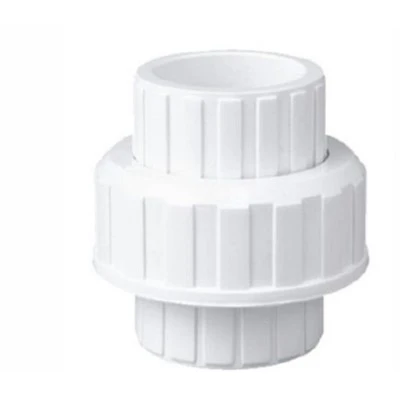
Another thing that came up is installation. Geothermal loops are buried underground, so any leak in the pipe can be a nightmare to find and fix. PP-R fittings are solvent-welded, which is a fast, reliable method—way easier than threading metal fittings when you’re working 300 feet down a drill hole. But if you use standard PP-R fittings with the wrong pipe, the joints can fail too. The installer I spoke with said he once used standard PP-R fittings on a horizontal loop, and the joint broke because of thermal expansion. So even if the pipe is right, the fittings have to be rated for the same conditions. That’s why we supply PP-R CT fittings along with our PP-R CT pipes—every component is tested to work together, so installers don’t have to worry about mismatched parts.
I should also mention something that a lot of people miss: the antifreeze mix. Most geothermal loops use a 30/70 or 40/60 mix of antifreeze and water to keep the fluid from freezing in cold weather. Some antifreezes are made with propylene glycol, which is less toxic than ethylene glycol, and that’s better for the environment, especially if there’s a leak. PP-R is compatible with propylene glycol, but if you use ethylene glycol, especially with high concentrations, it can weaken the pipe over time. Our lab tests show that a 30% propylene glycol mix doesn’t affect PP-R CT after 10 years of continuous use, but a 50% ethylene glycol mix can cause small cracks in standard PP-R within 5 years. That’s a detail that homeowners and installers need to pay attention to—choosing the right antifreeze isn’t just about preventing freezing, it’s about protecting the pipes.
Now, here’s where I have to be honest: PP-R isn’t a one-size-fits-all solution for geothermal systems. If you’re installing an open loop, skip PP-R. If you’re doing a horizontal closed loop in an area that has extreme seasonal temperature swings, PP-R might not hold up, even the modified version. But if you’re doing a closed vertical loop, or a closed horizontal loop with moderate temperature changes, PP-R CT is a viable, cost-effective choice. And compared to HDPE, PP-R has a smoother inner wall, which means less friction loss in the loop—so your heat pump doesn’t have to work as hard to move the fluid, which can save on energy bills over time. That’s a big selling point for homeowners who want to make sure their geothermal system is as efficient as possible.
I also talked to a couple of homeowners who chose PP-R for their geothermal systems. One, a couple in their 60s, had a vertical loop installed 3 years ago. They opted for PP-R CT because it was cheaper than HDPE, and their installer recommended it for their small yard. They said their energy bills have dropped 30% since switching to geothermal, and they haven’t had any issues with the pipes. Another homeowner, who did a horizontal loop, used standard PP-R and had to replace two sections after 18 months. The difference? The horizontal loop was in an area where winter ground temperatures drop to 30 degrees, and summer temperatures go up to 75 degrees at the loop depth, so the thermal cycling was more intense. That’s why context matters—you can’t just look at the pipe in a lab, you have to look at where it’s going to be installed.
As a supplier, part of my job isn’t just to sell pipes—it’s to give the right advice. I’ve turned away more potential customers who wanted to use standard PP-R for a horizontal loop than I’ve sold pipes to. Not because our product isn’t good, but because it’s not the right fit for their setup. On the other hand, I’ve helped a lot of homeowners and installers find the right PP-R CT components for their vertical loops, and those customers have come back to us for replacement parts and future projects. That’s the trust we build, and it’s why I’m honest about what our pipes can and can’t do.
I know a lot of suppliers will tell you their product works for everything, but that’s not helpful when someone’s spending $10,000 or more on a geothermal system. If you’re planning a geothermal project, take the time to figure out what type of loop you’re installing, what the ground temperatures are like in your area, and what antifreeze you’ll be using. Then talk to a knowledgeable supplier, not someone who’s just trying to make a sale. We test our PP-R CT pipes regularly to make sure they meet industry standards for thermal resistance, and we can provide test data if anyone needs it. We also work with installers to make sure they’re using the right installation methods—for example, when solvent-welding PP-R joints, you have to make sure the pipes are clean and the solvent is applied evenly, or the joint can leak even if the pipe material is right.
At the end of the day, geothermal systems are a great way to heat and cool your home efficiently, and choosing the right pipes is key to making sure they last. PP-R isn’t the best choice for every geothermal loop, but when it is the right fit, it’s a reliable, cost-effective option. If you’re in the planning stages of a geothermal project and you’re not sure which pipes to use, don’t guess—reach out so we can walk through your needs together and find the right solution for you.
PP-R Pipes and Fittings References
- International Association of Plumbing and Mechanical Officials (IAPMO). Standard for Polypropylene Random Copolymer (PP-R) Plastic Pipe and Fittings, 2021.
- ASHRAE. Geothermal Heat Pump Systems Design and Installation Guide, 2022.
- National Science Foundation. Thermal Degradation of Thermoplastics in Cyclic Temperature Environments, 2019.
- Polypropylene Pipe Industry Association. Performance of PP-R CT in Geothermal Closed Loop Applications, 2020.
- U.S. Department of Energy. Geothermal Heat Pump System Efficiency and Materials Guide, 2021.
Shanxi Kaisheng Plastic Co., Ltd.
As one of the most professional pp-r pipes and fittings manufacturers and suppliers in China, we’re featured by quality products and good price. Please rest assured to buy customized pp-r pipes and fittings made in China here from our factory. Welcome to contact us for quotation.
Address: No.72, Area S, Gate 1, Haohai Wumart, Fendong Street, Xiaodian District, Taiyuan City, Shanxi Province
E-mail: sxkssj8@163.com
WebSite: https://www.sx-kssj.com/
