If you’re here because your Ingersoll Rand air compressor is sputtering, blowing odd vapors, or just not hitting the pressure it used to, odds are the valves are the culprits. I’m a supplier that works with Ingersoll Rand compressors every single day—folks call me because they’re tired of guessing why their compressor’s dropping efficiency, and more often than not, it’s the suction or discharge valves that need replacing. Sure, you could call a tech, but doing this yourself saves a ton of cash, and it’s way simpler than it sounds. Let’s break it down step by step, no fancy jargon, just the stuff that actually works for Ingersoll Rand units. Ingersoll Rand Air Compressor
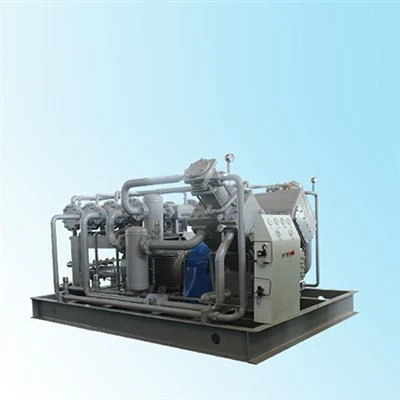
First, let’s get one thing straight: Ingersoll Rand makes different compressor types—reciprocating, rotary screw, even portable models. The valve replacement process I’m walking you through is for reciprocating ones, since those are the ones with individual cylinder valves that go bad most often. Rotary screws have different valve assemblies, but if you’re working on a reciprocating IR unit, this is your playbook. And before you even grab a wrench, safety is non-negotiable. I can’t tell you how many times I’ve seen a guy yank a valve without locking out the compressor, almost get crushed by a flywheel. First step: unplug the unit, drain all the air from the tank, and slap a lockout tag on the power switch. No exceptions. If your compressor is big, drain the cooling system too—you don’t want water spraying when you pull the head. Also, grab the right parts: I only sell genuine Ingersoll Rand valves, not cheap knockoffs. Knockoffs might fit for a month, but they’ll warp and mess up your compressor’s pressure faster than you can say “PSI.” Don’t skimp here.
Next, prep the work area. You’re going to have small parts—valve plates, springs, keepers—flying around. Lay out a big towel or a tray, and label every part as you take it off. I use little sticky notes on the tray: “Cyl 1 Head” “Intake Valve” “Exhaust Spring” so I don’t mix them up. Ingersoll Rand’s cylinder heads are indexed, so you can’t just flip them—mark the orientation with a marker before you pull anything. That’s a pro tip I learned after mixing up a head once, costing me an extra hour to fix.
Now, let’s get to the valve itself. First, remove the cylinder head bolts. Use a torque wrench, not a regular one—these bolts are torqued to spec, so if you over-tighten, you’ll crack the head; under-tight, you’ll get air leaks. Ingersoll Rand specs usually say 25 to 30 ft-lbs for most reciprocating models, but double-check your unit’s manual (I keep a binder of IR manuals at my shop for exactly that). Once the head’s off, you’ll see the valve plate sitting between the cylinder and the head. That’s where the valves live. Suction valves (intake) pull air into the cylinder, discharge valves push compressed air out. Both go bad eventually—usually from repeated pressure cycles, or carbon buildup from running the compressor too hot.
Pulling the old valves out: the valve plate is held in by small bolts or sometimes just a press fit, depending on your IR model. Use a valve puller tool—don’t pry with a screwdriver, you’ll scratch the plate and ruin it. Once the plate’s off, you’ll see the old valves: thin reed valves, usually, with small springs under them. Pop those out gently. If the valves are stuck, a little solvent will loosen them, but don’t force them—you don’t want to bend the reed. Inspect the valve plate too, while you’re at it. If there’s pitting or warping, you’ll need to replace that too—even a slightly warped plate will let air leak, so new valves won’t fix the problem. That’s another mistake I see all the time: people just swap valves and ignore the plate. Big no-no.
Cleaning the area before you put new parts in is key. Even a tiny piece of carbon or dirt between the new valve and the seat will cause a leak. Use a soft brush and compressed air (low pressure, like 30 PSI) to blow out the cylinder head’s valve seats. Wipe the plate with a lint-free rag—no paper towels, they leave fibers. Now, line up the new valves. For Ingersoll Rand valves, there’s a specific orientation: usually, the suction valve reeds go on the side facing the cylinder, discharge on the side facing the head. Match the old valves’ placement exactly—they only fit one way. I always leave the old valves next to the new ones to double-check, just in case.
Reassembling: put the valve plate back on, then the head. Tighten the bolts in a crisscross pattern, not in a circle. That’s how you keep the head flat and prevent leaks. Start with 10 ft-lbs, then 20, then the final torque. Don’t skip the crisscross—most amateurs just bolt them down in order and end up with a warped head. Once everything’s back together, close the drain valves on the tank, plug the compressor back in, but don’t turn it on yet. Do a quick leak check: spray soapy water on all the seams (head bolts, tank fittings, valve connections). If it bubbles, you’ve got a leak—double-check your torque and make sure the head’s seated right. Turn the compressor on, run it for a minute, check the pressure gauge. If it hits the cut-out pressure (IR models usually cut off at 125 PSI) no problem, you’re good to go. If it sputters or doesn’t build pressure, go back and check the valve orientation—9 times out of 10, I see that’s the issue.
Now, when do you know you need to do this? Don’t wait till your compressor dies entirely. Red flags: it’s taking 2x longer to build pressure than it used to, you hear a hissing sound from the cylinder head when it runs, or the motor runs nonstop without hitting pressure. Those are all signs the valves are worn out, and swapping them now will save you from a bigger repair later—like a broken piston from unregulated pressure. I see way too many guys put this off, then end up needing a full compressor overhaul. It’s cheaper to swap valves every 2-3 years, depending on how often you use your compressor. If you’re running it 8 hours a day, every day, maybe swap them every 2 years; if it’s a backup unit once a week, you can stretch it to 5.
Wait, what about rotary screw compressors? If you’ve got an IR rotary screw, the valve replacement is a little different—those have a suction unloader valve, not reed valves. The process starts with draining the air, removing the casing, and replacing the unloader valve assembly. It’s still straightforward, but not the same as reciprocating. If you’re not sure which type you have, just shoot me a message and I can help you ID it. I’ve worked on every IR model made, from tiny 5-gallon portable units to big industrial 100HP ones, so I know the ins and outs.
One last thing: a lot of people ask if they can use aftermarket valves. Maybe for a cheap, off-brand compressor, but for Ingersoll Rand? No. IR valves are made from a specific metal that resists warping, and they’re machined to exact tolerances. Knockoff valves might be slightly cheaper, but they’ll wear out in half the time, and can damage your compressor’s cylinder or valve plate. I only stock genuine Ingersoll Rand valves because I don’t want my customers coming back with a broken compressor 6 months later.

If you’re ready to grab the parts, or you’ve got more questions about your specific IR model, reach out to my team for a no-obligation chat. We can help you confirm the right valves for your compressor, walk you through any step you’re stuck on, or even set up a repair if DIY isn’t your vibe. No pushy sales, just straight-up advice for making your Ingersoll Rand compressor run like new.
Air Treatment Equipment (References: Ingersoll Rand Reciprocating Air Compressor Service Manual, Ingersoll Rand Rotary Screw Compressor Valve Replacement Guide, Industrial Pneumatic Equipment Maintenance Handbook)
Suzhou Ruiqi Intelligent Equipment Co., Ltd.
As one of the most professional ingersoll rand air compressor manufacturers and suppliers in China, we also support custom service. As we have world-leading production equipment and strong manufacturing capabilities, we warmly welcome you to buy high quality ingersoll rand air compressor made in China here from our factory. Contact us for pricelist.
Address: No. 1729, Zhongshan South Road, Wujiang District, Suzhou City, Jiangsu Province, China, 16th Floor
E-mail: wts476626494@126.com
WebSite: https://www.ruiqicomp.com/
