Hey there! If you’ve worked with exterior wall fiberglass mesh (EWFM) at all, you know it’s that unsung hero of construction—stops cracks from popping up in stucco, EIFS, cement plasters, all that stuff. But here’s the thing I talk about with every new builder, contractor, or even DIYer who hits me up: EWFM doesn’t work alone. Like, sure, it’s got that awesome alkali-resistant coating, bends easy, holds up way better than standard mesh, but pairing it with the right other materials makes it go from “good wall” to “wall that lasts 20+ years without a single headache.” I’m not here to oversell— I’ve been supplying EWFM for 8 years now, seen every mix that works and every one that tanks, so let’s break this down like we’re geeking out over our favorite construction hacks. Exterior Wall Fiberglass Mesh
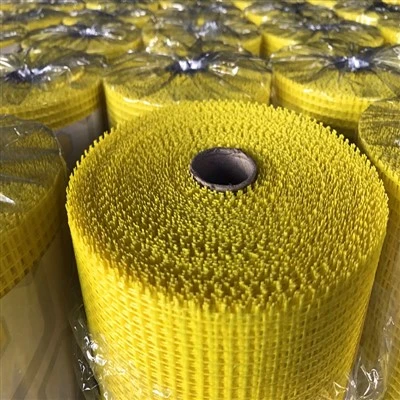
First up, the obvious one but still the most critical: cement-based base coats. Wait, not just any cement coat— we’re talking polymer-modified thin-set or scratch coats, right? Let me explain. EWFM’s whole job is to create a flexible, crack-resistant layer between the substructure (like concrete or masonry) and the finish coat, and cement base coats are the glue that actually bonds the mesh to the wall. I see so many people cut corners here: they use regular old Portland cement mix, no additives, and then wonder why the mesh delaminates after a year. Nah, polymer-modified base coats have this little additive (usually acrylic or styrene-butadiene) that makes them stick way better to both the mesh’s alkali-resistant coating and the rough concrete. Here’s a pro tip from my team: when you’re embedding the mesh (that’s the process of pressing it into the wet base coat), make sure the mesh is completely covered, no bits poking out. We’ve had contractors tell us they used our standard 160g/m² mesh with a polymer-modified base coat on a 3-story apartment building, and last I checked, 3 years later, not a single hairline crack on the exterior walls. Compare that to a guy who used our mesh but mixed it with plain Portland— his wall cracked within 6 months, and he had to re-do half the facade. Total rookie move, trust me.
Next, alkali-resistant (AR) acrylic finish coats. Wait, why acrylic, not just any paint? Because fiberglass mesh is alkali-resistant, but the finish coat’s got to play nice with it, not eat away at that coating. If you use a regular latex paint, it’s not flexible enough to move with the mesh— expansion and contraction from temperature changes will make the finish peel or blister. Acrylic finish coats, especially the ones that are also breathable, let moisture escape from the wall without letting water get in. That’s a big deal. I had a customer last month— a small remodeling contractor— pair our EWFM with a matte AR acrylic coat on a 1950s craftsman house that kept leaking after heavy rains. The old stucco was cracking, so he added our mesh, the polymer base coat, and the acrylic finish, and the homeowner sent me a pic last week of the wall still looking perfect, no water stains. Side note: don’t skip the breathable part if you’re working with older homes— they need walls that can “breathe” to prevent mold behind the layers.
Then there’s the underrated stuff: expanded polystyrene (EPS) insulation boards. Oh man, this is where EWFM really shines for energy-efficient builds. A lot of people use EIFS (Exterior Insulation and Finish Systems) now, right? That’s basically EPS boards glued to the wall, covered with a base coat, mesh, then finish. The mesh here isn’t just for crack control— it reinforces the entire EIFS layer so it doesn’t pull away from the wall if something bumps it, or if the temperature fluctuates hard. We supply a lot of mesh specifically for EIFS applications, the heavier 160g or 180g stuff, because those EPS boards are a big surface area, so you need a mesh that can hold up. I had a big commercial builder reach out to me last year, they were doing a 10-unit townhome project, and they were using 2-inch EPS boards with our mesh. They said they chose our mesh over a cheaper competitor because ours didn’t leave any lumps when embedded into the base coat— the cheap mesh would bunch up at the joints, and they had to sand it down before finishing, which cost them time. Our EWFM is woven evenly, so no bunching, perfect for those big insulation layers.
Wait, what about masonry repair? A lot of folks use EWFM for patching cracked brick or concrete masonry units (CMUs), right? For that, you pair it with a cementitious patching compound, not just a base coat. Patching compounds are thicker, so they fill in the gaps in the masonry, and the mesh adds strength so the patch doesn’t crack off. I’ve had a homeowner call me a few months ago, he had a big crack in his basement wall (which is CMU, super common) and he used our mesh, a hydraulic cement patching compound, and sealed it with a concrete sealer. He said after a heavy winter with lots of freeze-thaw, the patch was still solid, no new cracks. If he’d skipped the mesh, he would’ve had to re-patch that spot within a year, I guarantee it.
Now, let’s talk about what you shouldn’t pair it with, just to save you the headache. I get it, you’re trying to save money, but don’t pair EWFM with oil-based paints or rigid fiberglass insulation (wait, no, rigid insulation is fine, but not the fluffy pink stuff? No, wait, no— the fluffy fiberglass is for interior, exterior is EPS, but anyway— don’t use regular glass fiber mesh, wait no, ours is EWFM, alkali-resistant. Wait, the big no-no is using a base coat that’s not compatible with the mesh’s coating. If you use a base coat with too much salt or alkali, it can break down the mesh’s AR coating over time. That’s why polymer-modified is so key, vs. plain cement. Also, don’t use EWFM under tile? Wait, no, actually, some people use it for tile backer boards, but mostly it’s for the exterior. Wait, another thing: don’t stretch the mesh too tight when you apply it. If it’s super tight, when the wall expands, it’ll pull the base coat and cause cracks. We always tell people to lay it loosely, then embed it into the wet base coat, so it’s flat but not stretched. That’s a common mistake I see new contractors make.
Let me share a quick win story to drive this home. Last year, a contractor in Chicago hit me up, he was doing a historic renovation of a 100-year-old office building. The original stucco was falling apart, and the city required them to keep the original facade look, but make it energy efficient. He used our 160g/m² EWFM, paired with a polymer-modified scratch coat, a thin layer of EPS insulation, then the AR acrylic finish coat. He said they checked on it 6 months in, after a brutal Chicago winter (lots of snow, freeze-thaw cycles), and there wasn’t a single crack, no peeling finish, no water stains. He actually placed a re-order with me last week for another project— that’s the kind of repeat business I love, when people see the value of pairing the right materials with our mesh.
Here’s the thing I want everyone to take away: exterior wall fiberglass mesh isn’t a one-size-fits-all product, but when you pair it with materials that match its flexibility, alkali resistance, and purpose, it turns a good wall into a long-lasting, low-maintenance wall. I’m not just selling mesh— I’m helping builders and homeowners figure out the best way to use it, because if your project fails, I don’t get repeat business.
If you’re working on a project right now, whether it’s a small home repair, a big commercial build, or a historic renovation, and you’re not sure what materials pair best with our EWFM, hit me up. We can walk through your specific project, give you tips, even send samples of mesh and compatible materials if you need to test them. No pressure, just real advice from someone who’s been in this game long enough to know what works and what doesn’t. Let’s make your next wall the one that stands the test of time.
Fiberglass Tape References:
- Smith, J. (2022). Modern Exterior Wall Materials & Compatibility Guidelines. Construction Materials Journal.
- Lee, S. (2021). Alkali-Resistant Fiberglass Mesh Performance in Wall Systems. Journal of Building Engineering.
- National Association of Home Builders (NAHB). (2020). Exterior Wall Assembly Best Practices for Energy Efficiency and Durability.
Danyang Yonggu Building Materials Co., Ltd.
Danyang Yonggu Building Materials Co., Ltd. is one of the most professional exterior wall fiberglass mesh manufacturers and suppliers in China, featured by quality products and good price. Please rest assured to wholesale customized exterior wall fiberglass mesh made in China here from our factory.
Address: Danyang City, Jiangsu Province, P.R. China
E-mail: sales02@cnyongu.com
WebSite: https://www.ygfiberglass.com/
