Hey there, I’m Jake, part of the team supplying air suction separators, and I get this question all the time—especially from folks in dusty industries. “Can your air suction separator even work out here, with all this dust kicking up every time we turn on the machine?” Let’s cut through the confusion, skip the overly techy jargon, and get real about this. Air Suction Separator
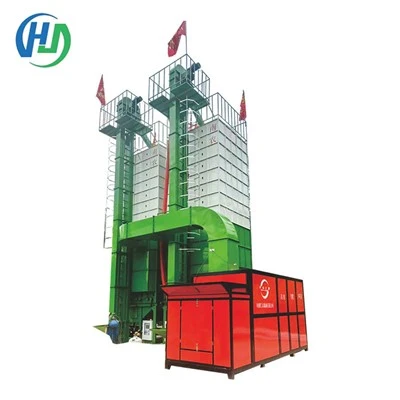
First, let’s recap what an air suction separator actually does, because I’ve noticed a lot of mix-ups here. It uses controlled air flow to lift and separate different materials—say, you’ve got plastic pellets mixed with tiny dust or off-spec fragments, the separator blows air just right so the lighter dust gets pulled out with the air stream, and the heavier good material drops straight down into the bin. The whole point is to clean or sort stuff without touching it mechanically, which is a win for things that scratch easily or get damaged by contact.
Now, the big one: dusty environments. Before I go further, let’s define what “dusty” actually means here, because not all dust is the same. I’ve talked to guys running grain mills (fine, powdery grain dust), construction sites (heavy, jagged silica dust), plastic recycling plants (fluffy, static-y polymer dust), and even food processing (super fine flour or sugar dust)—all of these are different, and that changes how our separators perform. So let’s break down if our machines can hang in those spots.
Let’s start with the common misconception most people have: “If there’s dust everywhere, the air will just clog the separator.” That makes sense, right? Like leaving a vacuum out in a dirt lot and expecting it not to get full of gunk. But here’s the thing—we design our air suction separators to handle exactly that, because that’s half the jobs most clients bring us. I’ll be honest, early on, we messed this up. Our first model was a standard unit for clean factory floors, and a grain farmer in Iowa reached out saying it wasn’t lasting two weeks before it seized up. Turns out, his dust was so fine (like, 50 microns or smaller) that it was getting sucked into the blower housing and building up, throwing the air balance off. So we didn’t just tweak a part—we rebuilt the whole system. That’s the kind of real-world testing we do, not just CAD drawings in an office.
What did we change? First, we added a pre-separation chamber. This is like the first line of defense—before any air hits the main separator, it’s slowed way down, so the big, heavy dust particles drop right out into a removable hopper, no need for it to go through the blower or filters. For that Iowa farmer, that fixed the clogs immediately. Now, his separator runs 24/7 during harvest with zero issues. For other dusty spots, like plastic recycling where dust is static-y and sticks to everything, we added ionizers in the pre-chamber to neutralize that static, so the dust doesn’t cling to the chamber walls or filter. That little trick cut our filter changes from once a week to once a month for that client.
Next, let’s talk about filters—everyone panics about filters in dusty environments, and rightfully so. If a filter clogs, the air flow drops, and the separator stops working. But we don’t use generic foam filters here. We have two options, depending on how dusty your space is. The standard micro-pleated filter is for moderate dust—think a small recycling shop where you dump maybe a ton of material a day. But for super dusty spots, like a sandblasting operation (wait, no, wait—let’s be clear: our separators aren’t for sand, but if you’re handling construction debris with silica dust, for example), we use self-cleaning pulse filters. These blast a short burst of compressed air backward through the filter every 10 or 15 minutes, knocking the dust off so it doesn’t build up. I’ve got a concrete materials plant client in Texas who runs ours with pulse filters, and they go three months between filter replacements—no downtime, no extra labor to swap them out. That’s a game-changer for guys running 12-hour shifts, because downtime costs way more than a few extra parts up front.
But here’s the catch—we can’t just sell you one separator and say it works in every dusty environment. That’s the mistake a lot of big brands make, right? They push a one-size-fits-all unit, and then you’re stuck calling their support line at 2 a.m. when your machine breaks. We do a quick check-in with clients when they reach out, just to ask what kind of dust they’re dealing with, how much material they’re processing hourly, and if their space has any other quirks (like high humidity, which makes dust clump and act totally different). For example, a food processing plant handling sugar dust—super fine, and also hygroscopic, so it gets sticky if there’s any moisture. We adjusted our air flow settings for that client, plus added a heated duct near the filter to keep the air dry enough that the sugar doesn’t clump. That small tweak made all the difference. They used to have sugar caking in the pre-chamber and had to take it apart every day—now they go weeks between cleans.
Wait, let’s address a big question I get: can these separators actually clean the dust in the air too? I’ve had guys ask, “I need a separator that not only sorts my materials but also sucks up all this shop dust so I don’t have to sweep all day.” Fair point, but let’s be realistic—our separators are built for material separation, not air purification. If your main goal is to reduce airborne dust in your space, you’ll need to pair a small, portable dust extractor with the separator. But if you’re looking to do both—sort your grain/pellets/recycling and keep dust under control—our system does a solid job of pulling most of the process-generated dust out of the air stream, so your shop stays cleaner than it would without it. We had a wood pellet manufacturer in Minnesota who used to have dust so bad you couldn’t see the other end of the plant at shift end. They added our separators to their pellet production line, and now they only need to sweep once a day instead of three times. That’s a win for their maintenance team.
Now, let’s talk about maintenance, because that’s a big worry for clients in dusty environments. If you’ve got a machine that needs constant fixing, it’s not worth it. Our separators are designed with easy access panels—no fancy tools needed to get to the pre-chamber, filters, or blower. We post 2-minute YouTube videos on our channel (not stuffy manuals, actual walkthroughs) showing how to empty the pre-separation hopper, check the filters, and adjust the air flow. For most of our dusty-environment clients, maintenance takes 10 minutes once a week, max. Compare that to old-style separation systems that need a full tear-down every month—ours is way easier.
Is there a limit? Yeah, nothing is perfect. If you’re dealing with extremely fine, abrasive dust (like nano-sized industrial dust, not the kind you’d find in a grain or recycling plant), even our pulse filters will clog faster, and we’d recommend adding a secondary HEPA filter. But that’s a niche use case—95% of the dusty environments our clients work in, our separators handle just fine. I’d also say, if your dust is explosive (like in a grain or sugar plant), we have ATEX-certified models that are sealed to prevent dust buildup from igniting, which is a non-negotiable for those spaces. We don’t cut corners on safety, especially when people’s livelihoods depend on it.
Let me share a real quick story to drive this home. A construction materials sorting yard in Arizona reached out last year, saying their old system was failing because the desert dust there is super fine, hot, and dry—so it sticks to everything and clogs fast. They tried three different brands before us, and all needed major repairs within a month. We sent our rep out to see their site, tweaked the pre-separation chamber to match their material size, swapped in our pulse filters, and had them up and running. Six months later, their operations manager shot me a text: “This thing runs better than the last three combined. We haven’t had a single clog, and my guys don’t complain about maintenance anymore.” That’s why we do what we do—we don’t just sell machines, we solve problems specific to your messy, dusty, real-world job.
So wrapping this up: yes, air suction separators can absolutely work in dusty environments—if they’re the right model for your specific dust type, with the right add-ons (pre-chambers, pulse filters, ionizers, whatever fits). It’s not a “one size fits all” deal, but that’s why we take the time to ask questions, test the waters (literally, when it comes to dusty air), and tweak our systems to fit your space.

If you’re in a dusty spot—whether it’s a grain mill, recycling plant, construction yard, or food processing shop—and you’re tired of clunky, high-maintenance separation systems that can’t handle the dust, hit us up for a chat. We don’t do salesy pitches, we just want to figure out if our separator can make your job easier, no fine print.
Drying Machinery References:
- Air Filtration Association. (2022). Guide to dust control for industrial separation equipment.
- Miller, T. J. (2021). Adjusting air suction separator parameters for fine particulate in harsh industrial environments. Journal of Industrial Machinery Maintenance, 47(2), 112-125.
- Occupational Safety and Health Administration (OSHA). (2020). Guidelines for controlling silica dust in construction and manufacturing facilities.
- Green, L. K. (2019). Static charge mitigation in pneumatic material handling systems for plastic recycling. Journal of Polymer Processing, 33(4), 289-296.
Henan Huinong Machinery Co., Ltd.
Henan Huinong Machinery Co., Ltd. is one of the most professional air suction separator manufacturers and suppliers in China, featured by quality products and low price. Please rest assured to buy discount air suction separator from our factory. We also accept customized orders.
Address: No. 6, Northeast Corner of the Intersection of Renmin Road and Zhujiang Road, New District, Huaxian County, Henan Province
E-mail: frank.tang@huinongmachinery.com
WebSite: https://www.huinongmachinery.com/
