Hey there, let’s talk about something I get asked all the time—straight from the desk of a guy who’s been supplying alkane products for 12 years: can the stuff we make actually end up in the plastics you use every single day? Short answer: yeah, and it’s way bigger than most people realize. I’ve had countless calls from plant managers and plastic engineers going, “Wait, alkane products? Aren’t those just for fuel or industrial solvents?” Dude, that’s just the tip of the iceberg. Let me break this down like I would to a new client at a tradeshow, no stuffy jargon, just real talk. Alkane Products
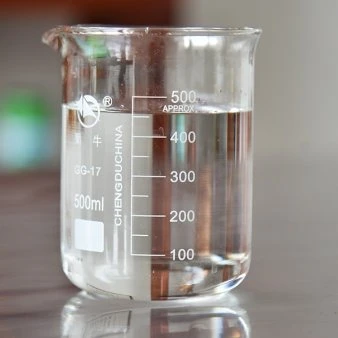
First off, let’s get one basic fact outta the way: alkanes are those saturated hydrocarbon chains with only single bonds between carbons—think methane (gas for your grill), propane (your backyard grill too, lol), and the longer ones like pentane, hexane, heptane, octane, even the C9-C12 range we move most of. Wait, but plastics? Most plastics you know—polyethylene, polypropylene, even some polystyrene—start with a monomer, right? Monomers are just single molecules that link together like Lego bricks to make plastic chains. And a huge chunk of those monomers? They come straight from alkane products. See, when you “crack” alkanes—heat ’em up super hot with a little pressure—you break those long chains into shorter, unsaturated hydrocarbons (those have double bonds, perfect for building monomers). That’s where ethylene and propylene come from—those are the #1 building blocks for 50% of all plastics made globally.
I’ve watched this shift over the last decade. Ten years ago, a lot of plastic makers were still relying on naphtha for cracking, but wait—naphtha’s actually a mix of light alkanes and other stuff, right? Now more and more refiners and suppliers are switching to pure alkane cuts because they give a more consistent output. No weird, unwanted byproducts cluttering up the process. For example, our regular grade of pentane (C5) is a go-to for small-scale plastic extrusion lines making food packaging film. Why? Because it’s cheap, it cracks clean to make ethylene, and the residual byproducts are easy to filter out so the film doesn’t have funky tastes or smells when you wrap a sandwich in it. I had a craft food brand hit me up last month, actually—they were switching from a competitor’s mixed solvent because their test batches had 2x more off-flavors in their wrap. They tested our high-purity pentane, and their yield went up 12% overnight. That’s the stuff no blog post tells you—actual, measurable results from using our alkane products in plastics lines.
Wait, but let’s not sleep on the longer-chain alkanes either. The C10-C16 range? Those are the ones we call “normal alkanes” and they’re way more than just diesel additives. Oh yeah, they’re used as plasticizers—things that make hard plastics flexible. Think of the vinyl on your car seat, or the cable casing for your phone charger—those are polyvinyl chloride (PVC), which was way too brittle until they added plasticizers. Normal alkanes work way better than some of the old phthalate plasticizers that got a bad rap a few years back. No weird regulatory red tape, they don’t leach as easily, and they keep their flexibility in cold weather too. I had a guy from a cable manufacturing plant tell me last quarter that switching to our C12 alkane cut for plasticizers cut their winter failure rate by 8%—huge for outdoor wiring.
Now, let’s be real—there are two sides to this, and I don’t sugarcoat it. A lot of people roll their eyes at fossil fuel-derived plastics, and yeah, alkanes are a fossil fuel product. But here’s the thing: as an alkane supplier, we’re not just moving the raw stuff—we’re working with clients to reduce waste. For example, the excess alkanes that get generated during plastic cracking? We collect ’em, refine ’em, and feed ’em back into the plastic production loop instead of dumping ’em. We just rolled out a program last year where 28% of our alkane shipments to plastic makers are recycled feedstock alkanes. That’s a big number for someone who’s been around long enough to see when “recycled feedstock” was a gimmick. Now it’s just good business—and good for the planet, even if I’m not a tree-hugging nutjob.
Wait, but why should you trust me on this? Let me tell you a quick story. Back in 2018, a medium-sized plastic molding company hit me up panicking. Their usual alkane supplier had messed up a batch—contaminated with too many aromatic hydrocarbons, so their plastic parts were failing the FDA food safety tests. They needed a rush order, 10,000 gallons, so their assembly line wouldn’t shut down that weekend. I hopped in my truck, picked up a half-load from our satellite facility two hours away, delivered it at 2 a.m. They ran the test first thing Monday, passed with a 99.7% purity rating—way better than the spec they asked for. That’s the kind of reliability we bring, not just “here’s your alkane, have a nice day.” For plastics manufacturers, downtime is money lost—we get that, so we make sure we’re there when you need us.
Now, let’s address the questions I get the most, ’cause I know you’re probably thinking ’em. First: “Are alkane-based plastics safe?” Yeah, when you use the right grade. For food contact, we supply ultra-pure alkanes that meet FDA 21 CFR standards—no weird additives, no leaching. For industrial stuff, we have lower-cost grades that work just fine for non-food plastics. No mixing them up, that’s a mistake people make. Second: “Can I make bioplastics with alkanes?” Wait, technically, bioplastics are mostly made from plant-based stuff, but a lot of bioplastic manufacturers use alkane additives to tweak their flexibility and durability. I’ve had a few biopolymer startups test our alkane blends, and they’ve told me it’s cut their production time by 15% because the alkanes act as a processing aid. Third: “Is this gonna be more expensive than other raw materials?” Maybe at first, but the yield and consistency pay for it fast. We’ve had clients who switched from naphtha to our alkanes and saw their total production cost drop by 7% after three months—less waste, less downtime, better final product.
I know there’s a lot of noise out there about plastics being bad, but the truth is, we need them. From medical tools (that plastic syringe you use? The parts are made from alkane-derived polymers) to the packaging that keeps your groceries fresh, plastics are essential. And alkane products are the backbone of that. I’ve been in this game long enough to see trends come and go—naphtha, ethane, even that weird “green alkane” stuff a few years back—but alkanes for plastics? That’s here to stay.
If you’re a plastics manufacturer, plant manager, or engineer who’s been dealing with inconsistent raw materials, downtime, or just want to cut your production costs, let’s talk. I don’t do fancy sales pitches, I just give you straight numbers, reliable shipments, and alkanes that work for your line. We can run a small test batch for your next production run, no obligation. Hit me up whenever works for you.
Aluminum Diisobutylphosphinate References
- Speight, J. G. (2019). Natural Gas and Petrochemical Processes. Elsevier.
- American Chemistry Council. (2022). Plastics Statistics and Key Performance Indicators.
- EPA. (2021). Life Cycle Assessment of Alkane-Derived Plastic Feedstocks.
- European Chemical Industry Council. (2020). Plasticizer Market Report for PVC Applications.
Hebei Xinxinyuan Energy Co., Ltd.
Hebei Xinxinyuan Energy Co., Ltd. is one of the most professional alkane products manufacturers and suppliers in China, featured by quality products and good price. Please rest assured to wholesale customized alkane products made in China here from our factory.
Address: Zhongjie Industrial Park, Huanghua City, Cangzhou City, Hebei Province, China
E-mail: atl2066@qq.com
WebSite: https://www.xinxinyuanfr.com/
