When I’m out at trade shows talking to brand owners and packaging managers, the first question I usually get about plastic film is “Isn’t it too flimsy for shipping?”. It makes total sense—we’ve all seen that post about a single-use plastic bag tearing on a rainy grocery run, right? But here’s the thing: durability isn’t a one-size-fits-all number. It depends on what you’re packaging, how you’re moving it, and what other materials you’re comparing it to. As someone who’s been supplying custom plastic film for over a decade, I’ve seen firsthand how it stacks up against cardboard, paper, and even rigid plastic every day. Let’s break this down without the boring jargon. Plastic Film
First, let’s talk about the most common comparison people make: cardboard. A lot of brands default to cardboard boxes because they feel “solid,” but cardboard’s durability has a pretty big catch. It absorbs moisture like a sponge, especially if you’re shipping to humid climates or storing inventory in a warehouse that’s not temperature-controlled. I’ve had a customer a few years back who sold craft coffee pods—they switched from 12-corrugated cardboard boxes to our linear low-density polyethylene (LLDPE) stretch film to wrap pallets, and they cut their pallet damage by 40%. Why? Cardboard boxes would warp when they got damp during transit, and the corners would split if a forklift nudged them too hard. Plastic film, on the other hand, is hydrophobic—water just beads up and slides off. Even our standard grade 4mil stretch film won’t stretch or tear if it gets a light drizzle, whereas a cardboard box would become soft enough to collapse stacked pallets in a day.
Wait, but what about rigid plastic containers? Like the ones you use for takeout or product blister packs. People think rigid plastic is way sturdier, but again, it’s all about use case. If you’re shipping heavy items (think 50lb bags of concrete mix or industrial hardware), rigid high-density polyethylene (HDPE) might hold up better to impact, but if you’re shipping small, high-value items—like jewelry or phone accessories—plastic film is way more durable in a different way. It conforms tightly to whatever you’re packaging, so there’s no empty space to shift around. I had a customer who sold custom engraved keychains; they were using small rigid clamshells that would scratch the keychains during shipping, and sometimes the clamshell would crack if the package got dropped. When they switched to our cast polypropylene (CPP) film with a matte finish, they eliminated 90% of scratch damage and didn’t have a single cracked package in six months. The key here is that plastic film’s flexibility is actually a strength, not a weakness, for items that don’t need a hard shell. It disperses impact evenly instead of a rigid shell transferring force to the product inside.
Then there’s paper packaging—another big one, especially as brands move toward more “sustainable” options. Paper is great for things like cereal boxes, but its tensile strength (that’s the technical term for how much stress a material can take before breaking) is way lower than most plastic films. Let’s do a quick test: grab a piece of copy paper and try to stretch it until it tears. Now grab a 2mil polyethylene (PE) film, same size. The paper will tear almost immediately, the film will stretch way more before it breaks. For packaging, that means if you’re using paper to wrap a pallet of bottled water, the paper will snap under the tension of stretch wrapping, leaving your pallets loose and prone to shifting. Our customers in the beverage industry swear by our 6mil cross-wrapped film for palletizing because it has a higher tensile strength than standard kraft paper, so it holds up through long-haul trucking and even cross-country ocean shipping.
But durability isn’t just about tensile strength or moisture resistance. It’s also about puncture resistance—how well a material holds up to sharp objects. Let’s say you’re packaging metal parts, like screws or nails. If you wrap those in paper, a loose screw head can punch right through the packaging during transit, leaving a mess on your warehouse floor and damaged goods. Our suppliers test puncture resistance by sticking a sharp steel probe through each film sample; our standard 3mil PE film can handle a probe force of around 15 Newtons, while a standard 80lb kraft paper tops out at 5 Newtons. That’s why a lot of construction brands we work with use our tear-resistant film to wrap loose hardware—no more punctures, no more lost parts mid-transit.
Now, I know a lot of people will bring up the “single-use plastic” angle, and I get it—we’re all trying to be more environmentally responsible. But here’s a durability angle that’s often overlooked: overpackaging. A lot of brands use way more material than they need because they’re scared of damage. For example, instead of using a single layer of durable plastic film, they might use two layers of corrugated cardboard, which is more material, more waste, and more expensive to ship because it’s heavier. Our team works with brands to custom spec film grades—we can make film that’s exactly thick enough for their product, not a random thick layer they don’t need. That cuts down on material use, waste, and even shipping weight, which is a win for the planet and their bottom line.
I also want to talk about long-term durability, not just transit. If you’re storing inventory, plastic film holds up way better than paper or cardboard over time, especially in storage spaces with temperature fluctuations. Cardboard can get moldy if it’s stored in a damp basement, and paper can fade or become brittle if it’s exposed to sunlight. Our UV-stabilized film is designed to hold up for up to two years in outdoor storage without becoming brittle or tearing, whereas a cardboard box would turn to mush in a few months if left outside. We had a customer who stored bulk garden tools in a warehouse with no climate control; they switched from cardboard crates to our UV-stabilized film to wrap tool sets, and after 18 months, the tools were still covered, the film was intact, and none of the tools had rusted from moisture seeping through cardboard.
Wait, but let’s not act like plastic film is perfect. There are cases where other materials are more durable. If you’re packaging something that needs a hard, impact-resistant shell—like a fridge or a lawnmower—rigid plastic or metal is definitely better. If you’re packaging a fragile item like a glass bottle that needs cushioning, bubble wrap (which is a type of plastic film, but wait, no—bubble wrap has air pockets, so it’s a different form) or foam is better. But for most common packaging applications—pallet wrapping, product wrapping, shrink wrap for retail displays—plastic film holds its own against the other big players.
I’ve seen too many brands jump on the “cardboard is more durable” bandwagon without testing it for their specific use case. Last year, a small skincare brand came to us because they were using corrugated boxes to wrap their lip balm pallets, and 20% of the pallets would collapse during shipping to their retail partners. They thought they needed thicker cardboard, but when we suggested our 5mil shrink film, they tested it for one shipment and the collapse rate dropped to zero. Why? The shrink film conforms tightly to each lip balm tube, so the pallets stay stable even if a shipment gets bumped. Cardboard boxes would shift because they’re rigid, leaving empty space that causes the boxes to collapse.
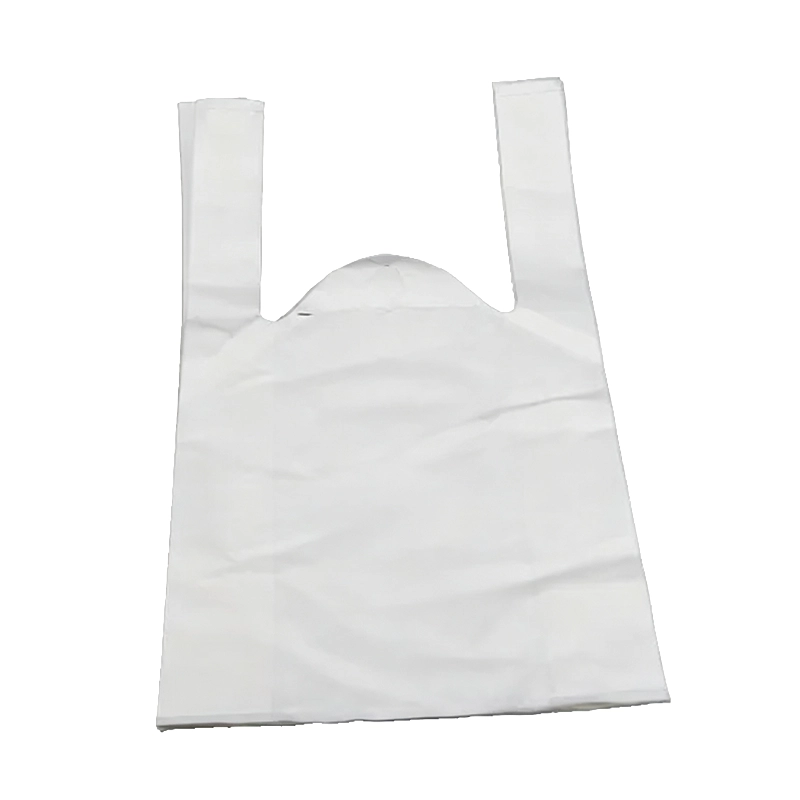
Another thing that people don’t talk about enough: tear resistance. A lot of cheap plastic film is super thin and tears easily, but that’s because it’s not formulated for durability. Our company specializes in manufacturing film that’s formulated for specific uses—we can make film that’s tear-resistant, moisture-resistant, UV-stabilized, even heat-sealable for retail packaging. The key difference between a flimsy grocery store bag and a durable packaging film is the resin we use. For example, LLDPE film is way more flexible and tear-resistant than low-density polyethylene (LDPE) which is used for grocery bags. That’s why most industrial packaging uses LLDPE—it has 20-30% higher tear resistance than LDPE.
I also want to address a common misconception: that all plastic is the same. A lot of brands will say “plastic is flimsy” because they’ve worked with cheap, off-brand film that tears easily. As a supplier, we stand behind our products because we test every batch for durability—we test tensile strength, tear resistance, puncture resistance, and even how well the film holds up in different temperatures. For example, our cold-resistant film works in temperatures as low as -40°F, so it’s perfect for shipping frozen goods, whereas a standard paper box would become brittle and tear in freezing temperatures.
Let’s wrap this up (pun intended). When comparing durability, it’s all about matching the material to the use case. Plastic film isn’t the right choice for every single packaging job, but for most transit, storage, and retail applications, it’s often more durable than cardboard, paper, or even rigid plastic for non-heavy items. It’s moisture-resistant, tear-resistant, conforms tightly to products, and can be formulated to handle extreme temperatures and UV exposure.
If you’re tired of packaging damage, overpaying for extra materials, or seeing your pallets get ruined in transit, let’s chat. We can help you spec the right film for your needs—no boring sales pitches, just honest advice from a team that’s been in the packaging game for years. Whether you’re shipping pallets of products, wrapping retail displays, or packaging small goods, we’ve got a film grade that will hold up. Don’t guess what works—test it with someone who knows durability inside and out.
Food Packaging Boxes References
- Selke, S.E.M., Hernandez, R., & Selke, S.A. (2015). Plastics Packaging: Properties, Processing, Technology, and Regulations. Carl Hanser Verlag.
- American Society for Testing and Materials (ASTM). (2021). Standard Test Methods for Tensile Properties of Plastic Film and Sheeting. ASTM D882-21.
- National Association of Corrosion Engineers (NACE). (2019). Durability of Packaging Materials for Industrial Equipment Storage. NACE International Publication 35111.
- Packaging Digest. (2022). “Comparing Durability of Corrugated, Paper, and Plastic Packaging for Palletization.” Industry Report.
Junteng Packaging Co., Ltd.
As one of the most professional plastic film manufacturers and suppliers in China, we’re featured by quality products and good service. Please rest assured to wholesale bulk premium plastic film made in China here from our factory. We also accept customized orders.
Address: No.1 Huamao Road, Shuanggang Town, Tongcheng City, Anqing City, Anhui Province
E-mail: juntengpack2020@outlook.com
WebSite: https://www.juntengpackage.com/
