Hey there, let’s cut to the chase—if you’re here scrolling this, you’ve probably stared at your oil level indicator a hundred times, wondering if you’re overdoing it or skipping way too many checks. As someone who’s been in the oil level indicator game for over a decade (yeah, we make those little plastic and metal thingies that let you check oil without popping the hood and guessing), I hear this question all the time. Drivers argue about weekly checks, monthly, even “only when the check engine light comes on”… but who’s right? Let’s break this down like we chat at a shop counter—no fancy car jargon, just real stuff that’s actually useful. Oil Level Indicator

First, let’s get one thing straight: your oil isn’t a “set it and forget it” fluid. Think of it like blood for your engine—without enough, parts grind, overheat, and turn into a pricey mess. The oil level indicator? It’s your engine’s thermometer, its alarm, its best friend when you’re half-way on a road trip and the light blinks. But how often is “enough”? The answer isn’t one-size-fits-all, but there are rules of thumb that don’t involve reading a 100-page car manual.
Let’s start with daily drivers—you know, the person who commutes 30 minutes each way to an office, runs errands on weekends, never goes off-roading. For these folks, my team and I recommend a quick check once a week. Why? Because even modern cars lose a tiny bit of oil over time—somewhere around a half-quart every 1,000 miles or so. Most of the time, that loss is normal (it’s the oil burning off a little in the combustion chamber, or seeping past seals), but if you’re only checking once every three months, you might miss the slow bleed that turns into a low oil warning light on the highway. I had a regular customer last year who checked once a quarter—his Civic died at a red light 20 miles from his house, cost him $2,500 in repairs. If he’d pulled that dipstick (and seen our oil level indicator sticker right there on it, hello, plug) once a week, he’d have caught a small leak and paid $100 to fix it instead.
Now, what if you drive something more intense? Like a work truck that tows a trailer 5,000 pounds for construction, or a sports car that you rev hard every time you merge onto the highway? For these vehicles, bump it to twice a week. Towing puts way more stress on the engine—oil gets thinner, flows faster, and leaks more. Sports cars? High RPMs mean more oil churn, more heat, more loss. A friend of mine runs a tow company, and he checks his two big F-150s every Monday and Friday. Last winter, he caught a 1-quart leak before it turned into a bearing failure that would’ve put him out of work for a week. That’s cash saved, easy.
Wait, what about the “new car” thing? I know, a lot of folks with 2020+ vehicles think, “my car’s computer will tell me if oil’s low, right?” Kinda, but not always. That oil life monitor? It’s for oil condition, not oil level. It doesn’t track that tiny leak your car has (thanks, manufacturing tolerances) or the slow burn that starts at 5,000 miles. The only way to confirm your level is to physically use the oil level indicator on your dipstick or digital display. I’ve seen so many new car owners panic because their monitor said “oil life 10%” when their actual level was two quarts low. That monitor isn’t a replacement—just a heads up. So even if you have a fancy digital system, keep that weekly check going.
Let’s debunk a myth real quick: “if it’s not making a noise, it’s fine.” No. Low oil leads to noise, but by then, you’re already damaging parts. The oil level indicator is your early warning, not the noise after the fact. Checking weekly takes 30 seconds. Pop the hood, pull the dipstick, wipe it, push it back, pull it out again. The mark is right there—our oil level indicators are calibrated to be dead on, no guessing. I’ve seen cheap dipsticks from no-name brands where the “min” and “max” marks are off by half an inch— that’s why people get the wrong idea about oil levels. Our team tests every single oil level indicator before it leaves the warehouse, so you know you’re looking at the right spot.
What if you’re a weekend driver? Like, you have a classic car that you take out only once a month, or a backup car that sits in the garage for weeks. Then you’re good with a check once a month. But here’s the catch: when you start driving it again, check it right before you hit the gas. Cars that sit for a while can have oil seep into the pan, but also, seals can dry out and leak when you start them up. I had a customer with a 1967 Camaro that he only drove to car shows once a month. He checked the oil a week before the show, and it was fine, but when he went to start it, the oil light came on. Turned out a seal had dried out and leaked 3 quarts while it was sitting. If he’d checked it the morning of the show, he’d have added oil and avoided being stranded. Pro tip: if your car’s been sitting more than two weeks, do a level check before you even turn the key.
Now, let’s talk about what to do when you check. The oil level indicator will have two marks: min and max. Your level should be somewhere in between, closer to max if you just filled up, a little lower if it’s almost time for an oil change. If it’s below min, add a quart slowly, wait a minute, check again. Don’t overfill—too much oil is just as bad as too little. It foams up, doesn’t lubricate right, can damage seals. Our oil level indicators make that easy, because the marks are bold, not tiny like some car manufacturers hide.
Wait, what about electric cars? A lot of folks ask us that now, since EVs don’t have combustion engines. Wait, hold on—do EVs need oil checks? Most of them have gearboxes that use oil for lubrication, same as a gas engine. They usually have a separate oil level indicator for that gear oil, so same rule applies: check it every month or so, depending on how much you tow or drive. It’s not just gas cars—your EV’s moving parts need oil too, and the level indicator is your way to make sure it’s there.
Let’s get to the “how often” wrap-up:
- Daily commuter, low stress: once a week
- Towing, high-RPM, work trucks: twice a week
- New car with a monitor: once a week (don’t skip, monitor isn’t level)
- Weekend/infrequent driver: once a month, plus a pre-drive check if sitting >2 weeks
- EV: once a month, same as weekend drivers
Now, why does this matter to you, beyond not blowing up your engine? Oil changes are $50-$100, engine repairs are $2,000+. Checking the oil level takes 30 seconds, once a week. That’s a no-brainer, right? And the oil level indicator? It’s the tool that makes that 30 seconds work. If your dipstick’s marks are faded, or the digital display is glitching, it’s time for a new one. We make ones that fit almost every make and model, from old pickup trucks to new sedans, with clear, calibrated marks so you never have to guess again.
Wait, I know some of you are thinking, “I’m too busy, I forget once a week.” Set a phone reminder. Every Sunday at 2 PM, pull that dipstick. It’ll become a habit, like brushing your teeth before bed. I’ve had customers who swear this saves them hundreds a year, just from a quick weekly check. Last month, a guy came in with a brand new Ram—he’d bought our oil level indicator because his original dipstick had smudged marks, and he’d found he was half a quart low after two weeks of commuting. If he’d kept going, he’d have had expensive engine damage. That’s the kind of thing we’re here for.
If you’re in the market for a new oil level indicator—whether your old one broke, the marks faded, or you just want the peace of mind of a calibrated, reliable one—we can hook you up. We’ve got options for every vehicle, bulk orders for shops, and replacements for hard-to-find classic cars too. Don’t risk your engine because of a faulty or unclear level indicator. We make sure you can check your oil in 30 seconds, no guesswork, no stress.
If you have questions about what’s right for your specific car, or want to chat about replacing your oil level indicator, just reach out. We’re here to help, not just sell parts. Because at the end of the day, a little oil check goes a long way, and we want you to have the right tool to do it.
Wait, before we wrap up, one last real-world tip: always check your oil when the engine’s cold, or at least after it’s been off for 5 minutes. If you check it right after driving, all the oil’s still warm and splashed around the engine, so the level will look lower than it actually is. The oil level indicator’s marks are calibrated for cold oil, so wait a little, then check. That’s a tiny detail, but it makes a huge difference.
At the end of the day, there’s no magic number that works for every driver, but following those simple rules will keep your engine happy, your wallet heavier, and you off the side of the road. Don’t skip the checks—set that reminder, use that oil level indicator, and you’ll be good.
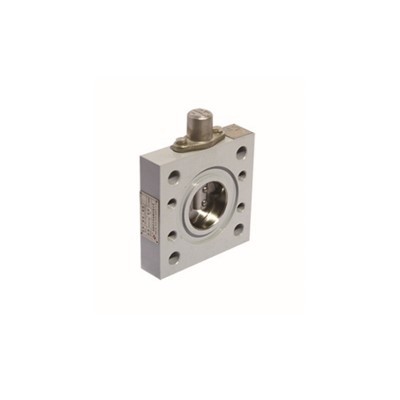
If you’re ready to grab a new oil level indicator, or just want to talk through what’s best for your ride, don’t hesitate to connect with our team. We’re here to make oil checks easy, because we know how stressful it is when something goes wrong with your car. Make the small effort now, avoid the big hassle later.
Oil Level Indicator References:
- American Automobile Association (AAA). “Vehicle Maintenance Guidelines for Oil and Oil Level Checks.” 2023.
- Society of Automotive Engineers (SAE). “Engine Oil Consumption and Level Monitoring Standards for Light-Duty Vehicles.” 2022.
- U.S. Department of Energy (DOE). “Tips for Maintaining Vehicle Engine Health.” 2024.
Hebei Anmei Electrical Equipment Co., Ltd.
Hebei Anmei Electrical Equipment Co., Ltd. is one of the most professional oil level indicator manufacturers and suppliers in China, specialized in providing high quality products and service. Please feel free to buy customized oil level indicator made in China here from our factory. Contact us for quotation.
Address: Hejian Yingzhou Economic Development Zone, Cangzhou City, Hebei Province
E-mail: sales@anmeielec.com
WebSite: https://www.anmeibushing.com/
