If you’ve ever stood in a heavy machinery workshop or watched a line of delivery trucks pull to a smooth stop on a mountain highway, chances are you haven’t thought much about the small, unassuming part that makes that stop possible: the brake expander. For years, I’ve sat across from fleet managers, construction foremen, and even aerospace engineers who see their brake systems as a “set it and forget it” component—until a breakdown leaves their operation grounded, delayed, or worse. As a brake expander supplier with 12 years in this industry, I’ve seen firsthand how choosing the right brake expander doesn’t just improve performance; it protects your bottom line, keeps teams safe, and cuts down on the kind of downtime that turns a good quarter into a stressful one. Today, I want to break down why this part deserves more than a passing glance, and why skipping a quality brake expander can cost you far more than the initial investment. Brake Expander
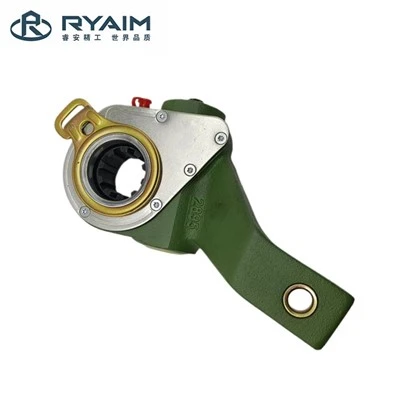
Let’s start with the basics: what even is a brake expander, and how does it fit into a braking system? Most people know the core of a drum brake system—you’ve got the brake shoes, the friction material pressed against the inner wall of the brake drum to create friction, and a hydraulic or pneumatic system that powers that pressure. The brake expander is the mechanism that sits between the two brake shoes, pushing them outward evenly against the drum. For decades, some systems relied on basic, one-sided expanders, or even outdated spring designs, that didn’t distribute force evenly. The problem with those old designs is simple: if one shoe pushes harder than the other, you get uneven wear on the friction material, inconsistent braking force, and the kind of pull you feel in the steering wheel when your brakes are out of alignment. That’s not just annoying—it’s a safety hazard.
Take the example of a regional delivery fleet I worked with last year. They were running a mix of 2018 and 2020 box trucks, all with factory-standard brake expanders. Within six months, they were going through brake shoes at twice the rate of the industry average. Their mechanic explained that every time the trucks braked to a stop, the steering would pull slightly to the left, and they’d found that the right front brake shoes were worn down 30% more than the left. When they upgraded to our heavy-duty symmetric brake expanders, the wear evened out within two weeks, and their brake shoe replacement costs dropped by 45% that year. That’s not a fluke—symmetric force distribution is the single biggest advantage of a quality brake expander. Unlike old-style tapered expanders that push only the top or bottom of a shoe, modern expanders are engineered to apply uniform pressure across the entire contact surface of each shoe. No more hot spots on the friction material, no more uneven wear, and no more unpredictable braking performance. For a delivery fleet making 10 stops a day, that translates to fewer brake jobs, less overtime for mechanics, and fewer delays on routes.
But safety isn’t just about even wear—it’s about reliability in high-stakes environments. Let’s talk about heavy construction equipment, where brake failure isn’t an inconvenience—it can be catastrophic. I worked with a construction company in the Pacific Northwest that specializes in highway bridge projects. Their dump trucks operate on steep, winding mountain roads, hauling 30 tons of aggregate per load. Before they switched to our brake expanders, they had three separate brake-related incidents in one year: two near-misses on a 7% grade, and one incident where a truck’s brakes failed to hold on a downhill slope, resulting in $120,000 in damage to the equipment and a week of lost work on the project. The team’s safety manager told me later that the issue was their old brake expanders couldn’t handle the consistent, high heat generated by heavy loads on long descents. Those expanders would warp under pressure, leading to inconsistent force application and delayed braking response. Our high-heat alloy brake expanders are tested to withstand temperatures up to 1,200 degrees Fahrenheit—well above the 800-degree threshold where most standard expanders start to lose structural integrity. After the switch, they haven’t had a single brake-related incident in two years. That’s not just a win for their maintenance budget; it’s a win for their team’s safety, and for their reputation as a reliable contractor.
Another often-overlooked benefit of a quality brake expander is reduced brake fade. Brake fade is that scary moment when your brakes feel spongy or unresponsive, usually caused by overheating that makes the friction material lose its grip on the drum. For any operation that involves frequent, heavy braking—think garbage trucks that make hundreds of stops a day, or emergency vehicles that need to react quickly—brake fade isn’t a rare occurrence; it’s a daily risk. Brake expanders that are designed to maintain their shape and force under heat help reduce brake fade by keeping the contact between the shoes and the drum consistent, even when temperatures spike. I’ve seen garbage fleets cut their brake fade-related service calls by 60% after upgrading their expanders, because their expanders don’t warp or lose tension as the brakes heat up. For emergency services, that kind of reliability can mean the difference between responding to a call on time and a potentially dangerous delay.
Now, let’s address the elephant in the room: cost. A lot of operations look at brake expanders as a low-cost component, so they opt for the cheapest option on the market to save a few dollars upfront. But here’s the math that most people don’t do: when you buy a $50 brake expander instead of a $120 quality one, you might save $70 today, but you’ll spend $300 more on premature brake shoe replacements, $500 more on emergency maintenance calls, and potentially thousands more if there’s an accident or downtime. Last year, I worked with a small trucking company that tried to cut costs by buying generic brake expanders from a non-certified supplier. Within four months, they had to replace four brake assemblies, which cost them $1,800 total. If they’d bought our expanders, which come with a 5-year warranty and are designed to last the life of the brake shoes in most applications, that same set would have cost them $480—saving them $1,320, plus the downtime they lost waiting for parts and repairs. Downtime is the real hidden cost here. For a trucking company, every day a truck is out of service means no revenue, and potentially late delivery fees. For a construction company, a week of downtime on a bridge project can mean millions in delayed completion penalties. A quality brake expander is one of the most cost-effective upgrades you can make to your braking system, because it pays for itself in reduced maintenance and lost revenue.
I also want to talk about adaptability. Not all vehicles or operations are the same, and a one-size-fits-all brake expander rarely works well. That’s why we don’t just sell standard expanders—we engineer expanders tailored to specific applications, from light-duty passenger vehicles to heavy-duty mining trucks, from agricultural tractors to aerospace ground support equipment. A farmer, for example, doesn’t need the same brake expander as a delivery truck, because they’re braking at different speeds, with different loads, and in different conditions. Our agricultural brake expanders are designed to withstand dust, dirt, and constant exposure to moisture, which are way harsher than the conditions a city delivery truck faces. We work with farmers to adjust the design of the expander’s seals and heat resistance to match the unique demands of their operation, whether they’re working in the Midwest’s dusty cornfields or the Southeast’s humid soybean farms. For mining fleets, we’ve developed expanders that can handle the extreme shock and vibration of hauling over rough, uneven terrain, reducing the chance of expander failure even in the harshest environments.
Another point that’s become more important in recent years is compliance. With stricter federal and state regulations around vehicle safety and emissions, more operations are getting fined for equipment that doesn’t meet safety standards. Brake systems are one of the most heavily inspected components, because faulty brakes are a top cause of accidents on roads and job sites. Quality brake expanders are tested and certified to meet FMVSS (Federal Motor Vehicle Safety Standards) and ISO international standards, so you can avoid fines and keep your vehicles compliant. Generic expanders often don’t meet these standards, and even if they work for a short time, they can fail inspection during a routine DOT check. I’ve had customers tell me they spent thousands of dollars reworking their brake systems because their generic expanders failed an inspection, when a certified quality expander would have kept them compliant in the first place.
Let’s go back to that delivery fleet I mentioned earlier, because they ended up being a great case study. After upgrading to our symmetric brake expanders, they didn’t just cut their maintenance costs—they also saw an improvement in driver satisfaction. Their drivers complained less about the steering pull they’d experienced with their old brakes, and reported that the braking felt more consistent and predictable, especially in wet or slippery conditions. That’s another often-overlooked benefit: driver morale. When equipment is reliable and easy to operate, drivers are happier, which reduces turnover and training costs. For a fleet that turns over drivers every few months, the cost of hiring and training a new driver can be thousands of dollars—costs that can be reduced by giving your team safe, well-maintained equipment.
I know what some of you are thinking: “My current brake expanders work fine, so why should I change?” The problem with “fine” is that it’s usually a low bar—fine means it’s not broken yet, but it’s not performing at its best. Most operations wait until their brakes fail to fix them, which is reactive instead of proactive. A quality brake expander is a proactive investment, designed to prevent breakdowns before they happen. It’s not just about fixing what’s broken—it’s about making your entire operation run smoother, safer, and more efficiently.
At the end of the day, braking systems are all about control. Whether you’re stopping a 10,000-pound delivery truck or a 50-ton dump truck, you need to know that when you hit the brake pedal, your vehicle will stop when and how you need it to. A brake expander might be a small part, but it’s the part that makes that control possible. Over my 12 years in this industry, I’ve seen too many operations lose time, money, and even lives because they overlooked this critical component. I’ve also seen too many operations thrive after making a simple upgrade to their brake expanders, cutting costs, improving safety, and building a reputation for reliability.

If you’re tired of uneven brake wear, unexpected downtime, or the stress of worrying about brake safety, I’d encourage you to reach out to our team to talk about your specific needs. We don’t believe in pushing a one-size-fits-all product—we take the time to understand your operation, your vehicles, and your challenges, so we can recommend the right brake expander for you. Whether you’re a small local fleet or a large national operation, we have the experience and products to help you get the performance and reliability you need.
Disc Brake Caliper Don’t wait until a brake breakdown costs you time, money, or more. Investing in a quality brake expander is one of the smartest, most cost-effective decisions you can make for your braking system and your entire operation.
References
- Automotive Brake Systems: Design, Selection, and Operation, Society of Automotive Engineers, 2019
- Heavy-Duty Brake Maintenance Best Practices, American Trucking Associations, 2021
- Industrial Braking Systems: Performance Standards and Compliance, National Institute for Occupational Safety and Health, 2020
- Friction Material Wear and Brake Expander Design, Journal of Automotive Engineering, Vol. 235, No. 12, 2021
Zhejiang Ryaim Auto Parts
As one of the most professional brake expander manufacturers and suppliers in China, we’re featured by quality products and good service. Please feel free to wholesale custom made brake expander from our factory. Contact us for more details.
Address: No.78, Yexiao Road, Yaojiang Town, Zhuji City, Zhejiang Province
E-mail: bd@zjryaim.com
WebSite: https://www.ryaimchina.com/
