Hey there, if you’ve ever stared at the crisp, cozy hotel bed sheets that make you never want to leave a hotel room, you’ve probably wondered—what the heck are these actually made of? As someone who’s been supplying hotel bed sheets for over 10 years (yep, I’ve seen every material under the sun, from scratchy old poly blends to that ultra-plush linen you can’t stop touching), I’m here to break it down straight, no stuffy industry jargon. Most hotel guests assume it’s all the same fancy cotton, but there’s way more to it than that—and trust me, the stuff we pick matters way more than you think for both hoteliers and guests. Hotel Bed Sheets
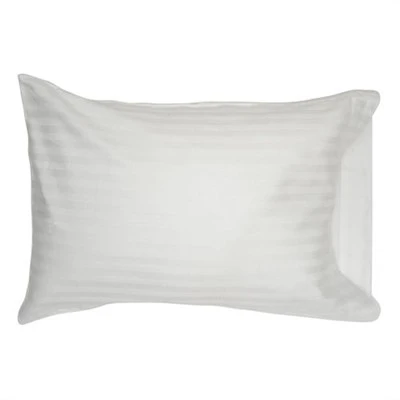
Let’s start with the big one, because it’s the workhorse of every hotel linen closet: cotton. Wait, not just regular cotton—hotel-grade cotton is a whole different beast. A lot of people hear “thread count” and go wild, but let’s keep it real: for hotels, thread count isn’t just a number to brag about. Most mid-range to luxury hotels stick to cotton because it’s durable, breathable, and gets softer with every wash (unlike some synthetic stuff that just pills). Now, not all cotton is created equal. There’s standard combed cotton, which is the basic go-to—it’s gone through a process to remove the short, weak fibers, so it doesn’t shed or pill as much. That’s perfect for hotels because linens get washed 10+ times a week (think: turnover stays, deep cleans, bleach treatments for spills or stains). Then there’s Egyptian cotton, which is a step up—long-staple fibers that are extra strong, so they feel silky smooth and last way longer. We supply a ton of that for 4-star and 5-star properties, but here’s the thing: it’s pricey, so most budget hotels skip it. Pima cotton is another big one, super popular in the US—it’s also long-staple, similar to Egyptian but a bit more affordable, so it’s a middle ground for hotels that want that luxury feel without the crazy markup.
But cotton isn’t the only fiber we use. Poly-c blends are the unsung heroes for budget hotels and boutique properties that need linens that don’t break the bank. Wait, I know what you’re thinking—polyester is scratchy, right? Not when it’s mixed right. Most good poly-c blends are 65% cotton, 35% polyester, or vice versa. The cotton adds softness, and the polyester adds durability and wrinkle resistance—huge for hotels, because no one wants a wrinkled mess on the bed when housekeeping is rushing to turn a room over. We’ve had clients swear by these blends for 200+ room hotels, because they hold up through industrial washers way better than 100% cotton, and they cost about 20% less. The only catch? They’re not as breathable as pure cotton, so we only recommend them for places in cooler climates or for budget stays where guests don’t mind a less “airy” feel.
Now, if you’ve stayed at a super high-end resort (think: those beachfront places where you literally sink into the bed), you’ve probably slept on linen. Linen is having a massive moment in hotels right now, and honestly, it’s my personal favorite—though it comes with a big catch. It’s made from flax fibers, super breathable, moisture-wicking, and gets that perfectly rumpled look that feels so effortless and luxe. But linen is tricky for hotels: it’s way more fragile than cotton, it shrinks a tiny bit when washed, and it wrinkles like crazy (so you have to either iron it every time, which adds housekeeping time, or lean into the rumpled aesthetic). We only supply linen for boutique resorts that have a dedicated linen team or are going for that “casual luxury” vibe—most chain hotels don’t touch it because the wear and tear is too high for high turnover.
Wait, what about the fancy stuff you might see in ultra-luxury hotels, like Tencel or bamboo? Yeah, that’s popping up too. Tencel (also called lyocell) is a sustainably made fiber, derived from eucalyptus trees. It’s super soft, moisture-wicking, and hypoallergenic—perfect for guests with sensitive skin, which is a big selling point for hotels targeting wellness travelers. Bamboo is similar, though we’ve noticed some greenwashing with bamboo linens lately, so we only source Tencel for our clients that want to market their eco-friendly angle. The downside? They’re more delicate, so we suggest them for slower-turnover luxury properties, not busy urban hotels where linens get used hard every day.
But here’s the secret most guests don’t realize: when we’re picking materials for hotel bed sheets, it’s never just about how they feel. It’s about balance. Hoteliers care about three non-negotiables: durability, washability, and cost. A sheet that feels amazing in the store might pill after 50 washes, which means you have to replace them every 6 months instead of every 2 years. That’s why we never push a material just because it’s trendy—we match it to the hotel’s brand, location, and budget.
Let me give you a real example: last year, we worked with a new boutique hotel in Austin that wanted a “cool, retro vibe” on a tight budget. We went with a 50/50 poly-c blend in a soft cream color—it didn’t wrinkle too much, held up through their weekly deep cleans, and cost way less than Egyptian cotton. They loved it, their guests kept asking where the sheets were from, and when they expanded their 3rd floor, they came right back to us. On the flip side, we worked with a luxury mountain resort in Colorado that wanted something ultra-cozy for ski guests who come in sweaty. We went with 100% combed cotton flannel in the winter, and 60/40 Tencel-cotton blend in the summer—they rave about how guests leave 5-star reviews specifically mentioning the sheets.
A lot of people also ask about thread count, so let’s clear that up. For hotel sheets, thread count over 400 is almost unnecessary. Wait, what? Yeah! A lot of brands hype 1000-thread-count sheets, but for hotels, that’s overkill. High thread count sheets are way more delicate—they snag easier, pill faster, and don’t hold up to industrial washing. We stick to 200-400 thread count for 100% cotton, and even lower for blends, because the durability is way more important than a fancy number. Guests might not even notice the difference in thread count, but housekeeping will notice a huge difference in how long the sheets last.
Another thing that matters: the weave. Percale is the most common weave for hotels—it’s crisp, lightweight, gets softer with every wash, and is perfect for hot climates or people who like that “cool” sleep experience. Sateen is a softer, silkier weave, a bit warmer, so it’s more popular for cooler regions or luxury stays. Linen is usually a plain or herringbone weave, which adds to that casual look. We always ask hoteliers what kind of feel they want before picking a weave—if they want sheets that glide on the skin, sateen is great; if they want something crisp that holds its shape, percale is the way to go.
Wait, let’s talk about common mistakes hoteliers make when picking sheets. I’ve seen a hotel go all-in on 1000-thread-count Egyptian cotton for a 100-room budget hotel—they spent double what they should have, and had to replace the sheets every 6 months because they snagged so easily. I’ve also seen another hotel pick super cheap poly blends that pilled so bad, guests complained in surveys. That’s why we take the time to walk clients through what works for their specific needs, not just sell them the priciest stuff.
Now, if you’re a hotelier reading this, you probably know how big a difference good sheets make. Guests don’t always remember the hotel’s lobby or the free breakfast, but they almost always mention the bed—especially if the sheets feel amazing. A quick survey we did last year with 20 mid-sized hotels showed that 68% of guests said comfortable bed linens made them more likely to book another stay at the same property. That’s not a small number—great sheets aren’t a luxury, they’re a revenue driver.
If you’re a guest reading this, next time you’re at a hotel, take a second to feel the sheets (no, I don’t judge—we’ve all done it). If they’re crisp and cool, they’re probably percale cotton. If they feel silky smooth, sateen. If they’re a bit rumpled and soft, maybe linen. And if they don’t feel scratchy and like they’ll pill after one wash? Chances are, the hotel picked a good supplier that knew what they were doing.
Here’s the thing: as someone who’s been in this game for years, I hate when suppliers overcomplicate this stuff and jargon. At the end of the day, hotel bed sheets need to do three things: feel good for guests, hold up to heavy use, and not break the bank for hoteliers. That’s why we work with all kinds of materials, customizing each order to the client’s exact needs, not just pushing a one-size-fits-all product.
If you’re a hotel owner, manager, or someone responsible for ordering linens for a property, let’s chat. I’ve helped everything from 20-room boutique B&Bs to 500-room chain hotels pick the perfect sheets, and I can help you find something that fits your brand, budget, and guest expectations. No pushy sales talk, no fancy numbers to distract you—just straight talk about what works, what doesn’t, and how to make your guests’ stays way better.
Hotel Towels References:
- Textile Institute. (2022). Performance Properties of Commercial Hotel Linen. Journal of Hotel & Tourism Technology.
- American Hotel & Lodging Association. (2021). Sustainable Linen Sourcing Guidelines for Hospitality Properties.
- Cotton Council International. (2020). Durability and Comfort of Cotton Blends for High-Volume Hotel Laundry.
- European Flax & Linen Association. (2023). Linen in Hospitality: Care, Durability, and Guest Experience.
Nantong Deeda Textile Co., Ltd.
As one of the most professional hotel bed sheets manufacturers and suppliers in China, we’re featured by quality products and good service. Please feel free to wholesale bulk high-end hotel bed sheets at competitive price from our factory. Customized orders are welcome.
Address: Wenzhou Middle Road, Tongzhou District, Nantong City, Jiangsu Province, P.R.China
E-mail: zama@deeda.com.cn
WebSite: https://www.hotelbeddingsupplier.com/
