If you’ve spent any time around industrial maintenance or fleet operations, you probably know oil filter carts as the reliable, wheeled workhorses that move waste oil, used filters, and service tools around land-based shops—garages, construction yards, or heavy equipment facilities. But if you work in the marine industry, you might be wondering: can that same equipment hold up to the harsh, unique conditions of boats, yachts, and offshore vessels? As a supplier with decades of experience designing and refining oil filter carts for multiple sectors, I get this question all the time. The short answer is yes—when engineered right, an oil filter cart is not just usable for marine applications; it’s often a more efficient, compliant, and safer choice than cobbling together improvised setups for boat maintenance. Let’s break this down, from the unique demands of marine work to how our carts are tailored to meet them, and why they might be the solution your fleet has been missing. Oil Filter Cart
First, let’s talk about what makes marine maintenance different from land-based work, because that’s where a lot of misconceptions come from. On land, service bays are typically flat, climate-controlled, and have easy access to drains, water sources, and secure storage. On a boat—whether a 30-foot recreational fishing trawler, a 100-foot commercial supply vessel, or an offshore rig support craft—space is at a premium, surfaces are slippery (thanks to constant dampness, spilled fuel, and salt residue), and compliance rules are far stricter when it comes to hazardous waste like used oil and filters.
Improvising a marine oil change usually looks like a team dragging a plastic drum, a pair of wrenches, and a couple of rags across a boat’s deck, balancing everything on a narrow walkway, and hoping not to spill 5 gallons of used oil into the bilge. That’s a nightmare for two big reasons: safety and regulation. Spilled oil doesn’t just stain a boat’s fiberglass—it seeps into the marine environment, where even small amounts can harm fish, birds, and fragile coastal ecosystems. In the U.S., for example, the Clean Water Act imposes fines of up to $50,000 per day for accidental oil discharges into navigable waters, and the International Convention for the Prevention of Pollution from Ships (MARPOL) has similar global rules. Improvised setups also pose trip hazards on slippery decks, which is a top cause of marine workplace injuries, according to data from the Occupational Safety and Health Administration (OSHA) for maritime operations.
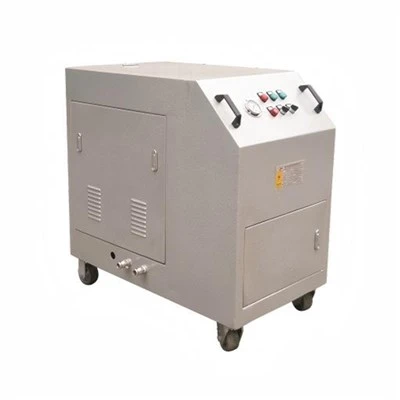
An oil filter cart solves both of these problems, but only if it’s built to handle the specific marine conditions. Let’s start with construction: standard land-based carts are often made of mild steel, which rusts quickly when exposed to saltwater spray, constant dampness, and the occasional sea splash. That’s a non-starter for marine use. The oil filter carts we design for marine applications use marine-grade materials: stainless steel for the frame and reservoir tanks, powder-coated aluminum (with a salt-spray resistance rating of 1,000+ hours, far above the standard 500 hours for land carts), and sealed, marine-grade bearings that don’t seize up from salt and moisture. We also build the frame lower to the ground than land carts, which makes it easier to navigate narrow boat walkways, hangars, and the tight engine rooms common on smaller vessels—no more balancing a 4-foot tall cart through a 2-foot wide engine bay door.
Next, waste containment, which is make-or-break for marine work. Land carts often have open reservoirs, because in a shop, a minor spill is a nuisance, not a regulatory disaster. For marine use, every oil filter cart we sell has a sealed, double-walled waste oil tank with a built-in spill containment sump that holds 110% of the tank’s capacity. That means even if the tank springs a small leak, there’s no way oil can escape onto a deck or into a bilge. We also include a filter cradle that locks in place—no more used filters tipping over and spilling oil all over the engine room floor. For commercial operations that have to haul waste oil off-site, our marine carts also have a valve that complies with MARPOL’s oil transfer standards, so you can connect a pump to transfer waste oil directly to a marine waste holding tank without any manual handling that leads to spills.
There’s also the issue of power and access, which is different on boats. Most land-based oil filter carts plug into a standard 110V outlet, but many smaller vessels—recreational boats, fishing charter boats, or work boats—don’t have a dedicated shop power source at the dock. That’s why we offer marine oil filter carts with two power options: a 12V DC battery pack that charges from the boat’s onboard electrical system, and a compact 110V inverter for use at docks or marinas with shore power. We also include LED work lights that are rated for marine use (waterproof, shockproof, and resistant to salt spray) so maintenance crews can work safely in dim engine rooms or on decks after sunset, something standard carts with dim, non-waterproof lights can’t do.
I’ve seen a lot of equipment suppliers try to repurpose land-based oil carts for marine use, and that never works out. A few years back, a small fishing charter company in the Florida Keys reached out to us after they had bought a standard land cart and tried to use it on their 35-foot boat. Within three months, the mild steel frame had rusted through the bottom, the wheels had seized from saltwater, and the open waste tank had spilled oil twice—once onto the marina’s fuel dock, which led to a $12,000 fine. They switched to our marine-specific cart, and a year later, their maintenance manager told us that not only had they cut spill-related incidents to zero, but they’d reduced the time it took to do an oil change by 30% because they no longer had to balance equipment across the deck.
Another key point: compliance. The EPA, MARPOL, and local port authorities all require specific documentation for hazardous waste handling on marine vessels. Our oil filter carts come pre-equipped with a built-in recording module that tracks the volume of waste oil and filters, the date of service, and the location of the maintenance work. That module generates a digital log that’s accepted by most port authorities and regulatory bodies, which cuts down on the paperwork required for inspections. For larger commercial fleets, we also offer bulk tracking integrations that let fleet managers monitor maintenance across multiple vessels from a single office, which is impossible with improvised setups.
Critics might argue that oil filter carts are too heavy for small recreational boats, but that’s outdated. We’ve designed our marine carts to be as light as possible without sacrificing durability—most of our models weigh less than 250 pounds, which means a single crew member can move it around a dock or onto a boat’s deck without needing a crane. We also offer versions with narrow profiles (less than 2 feet wide) that fit through the tightest engine room doors on even the smallest utility vessels. For offshore vessels that operate far from shore, we even have models with built-in water-resistant storage for spare filters, wrenches, and cleaning supplies, so maintenance crews don’t have to carry extra gear back and forth.
It’s also worth addressing a common worry: salt damage to the cart’s moving parts. Every marine oil filter cart we manufacture goes through a rigorous salt-spray test, where it’s exposed to a 5% salt solution for 1,000 hours (that’s equivalent to about five years of daily saltwater exposure) before it’s shipped. The wheels are made of non-marking, salt-resistant rubber, and the steering system is sealed to prevent salt and moisture from getting into the bearings. This isn’t the case with standard land carts, which are often tested for just 500 hours of salt spray and use open bearings that can seize up after a few months of marine use.
I’ve worked with everything from small family-owned charter fleets to large offshore shipping companies, and the biggest takeaway I’ve had over the past 15 years is that marine maintenance doesn’t have to be chaotic. A lot of operators think they have to choose between cheap, risky improvised setups and expensive, specialized marine equipment, but oil filter carts bridge that gap. They’re built to fit the unique space, safety, and compliance needs of marine work, and they’re often more cost-effective in the long run than the fines, downtime, and labor costs that come with spills or improvised maintenance.
If you’re running a marine fleet, whether recreational or commercial, and you’re tired of dealing with oil change spills, rusted equipment, and non-compliant waste handling, our marine-specific oil filter carts are designed to solve those exact problems. We offer customizable options to fit the size of your fleet, from single-cart setups for small charter boats to fleet-wide packages for large shipping companies. To discuss your specific needs, connect with our team to learn more about how our oil filter carts can streamline your marine maintenance operations and keep your work safe, compliant, and efficient.
Oil Filter Cart References
- OSHA. (2023). Maritime Industry Workplace Injuries & Illnesses: Focus on Slip, Trip, and Fall Hazards. U.S. Department of Labor.
- International Maritime Organization (IMO). (2022). MARPOL Annex I: Regulations for the Prevention of Pollution by Oil. International Convention for the Prevention of Pollution from Ships.
- U.S. Environmental Protection Agency (EPA). (2021). Clean Water Act: Oil Spill Penalties and Compliance Requirements for Marine Vessels. EPA Office of Water.
- Society of Marine Engineers. (2020). Materials Specification for Marine Maintenance Equipment: Corrosion Resistance and Space Optimization. Society of Naval Architects and Marine Engineers.
- National Marine Manufacturers Association (NMMA). (2022). Recreational Boat Maintenance Best Practices: Spill Prevention and Waste Management. National Marine Manufacturers Association.
Chongqing Lushun Scientific & Technological Development Co., Ltd.
Chongqing Lushun Scientific & Technological Development Co., Ltd. is one of the most reliable oil filter cart manufacturers and suppliers in China, featured by quality products and good price. Please rest assured to buy customized oil filter cart made in China here from our factory. Welcome to contact us for quotation.
Address: No.15 Factory Building, Sendi Times Industry Base, Jiulongpo District, Chongqing, China
E-mail: sale7@lushuntec.com
WebSite: https://www.cqlushun.com/
