If you’ve ever stared at a empty tube of face wash or a plastic jar of body butter, wondering where all that plastic goes once you toss it in the trash, you’re not alone. For years, personal care packaging relied almost exclusively on single-use plastic—lightweight, cheap, and durable, but devastating for the planet. The average American uses 12 single-use plastic personal care products a month, and most of their packaging ends up in landfills, oceans, or incinerators, taking hundreds of years to break down. That’s why more and more brands are ditching traditional plastic for compostable personal care packaging, and as a packaging supplier who’s been in this game for over a decade, I’ve seen firsthand how this shift is changing the industry for the better. Personal Care Packaging
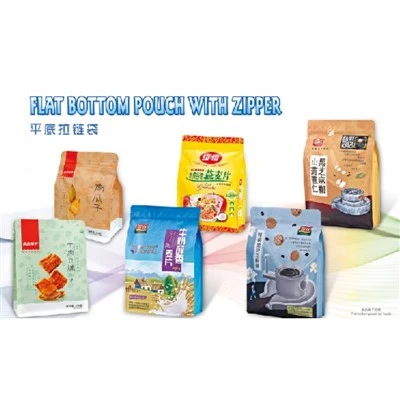
Let’s start with the basics: compostable personal care packaging isn’t just “plastic that breaks down.” True compostable packaging is made from organic, plant-based materials that can decompose completely in a commercial or home compost environment, leaving no toxic residues behind. Unlike traditional plastic, which fragments into microplastics that persist in ecosystems forever, compostable materials turn into humus—nutrient-rich matter that feeds soil, instead of poisoning it. For personal care brands, this means a packaging option that aligns with their sustainability promises, and for consumers, it means they don’t have to sort special waste or wonder if their “eco-friendly” product is actually doing more good than harm.
But not all compostable packaging is created equal, and that’s where a lot of brands get it wrong. There are two main certifications that set legitimate compostable personal care packaging apart from greenwashing: BPI (Biodegradable Products Institute) certification in the U.S., and EN 13432 certification in the European Union. These standards test three key things: how quickly the material breaks down, if it leaves any harmful chemicals behind, and if it doesn’t disrupt composting processes. For example, a tube made from compostable sugarcane plastic will break down in 180 days in a commercial compost facility, and even longer in a home compost pile, but it won’t release microplastics or heavy metals like some untested “bioplastic” alternatives do.
As a supplier, we work closely with brands to source compostable materials that are not only sustainable but also functional—because let’s be real, no consumer wants a flimsy face cream jar that breaks the second it leaves the store shelf. The most common materials we use are sugarcane-based polyethylene (PE), bamboo fiber, and cornstarch-based bioplastic. Sugarcane PE is a game-changer for tubes and squeeze bottles: it’s just as durable as traditional plastic, is 100% recyclable in industrial compost, and is made from a renewable resource that doesn’t compete with food crops (we only source sugarcane from farms that use leftover plant stalks, not the sugar itself). Bamboo fiber is perfect for rigid jars and pump dispensers: it’s lightweight, naturally antimicrobial (which means it helps keep personal care products fresh longer), and fully compostable. Cornstarch bioplastic is ideal for single-use items like facial scrub pots or sample sachets, though we always pair it with a thin layer of plant-based protective coating to prevent leakage—so it works for liquid products without sacrificing compostability.
One of the biggest myths I hear from brands new to compostable packaging is that it’s more expensive than plastic. When I started out in the early 2010s, that was true: compostable materials were hard to source, production runs were small, and certification costs added up. But over the last five years, as demand has skyrocketed, the gap has shrunk dramatically. For mid-sized runs (10,000 to 50,000 units), compostable packaging often costs just 10-15% more than traditional plastic—and for many brands, that premium is justified by higher consumer loyalty. A 2023 survey by the Personal Care Products Council found that 78% of consumers are willing to pay more for products with sustainable packaging, so that small price difference often translates to higher sales and a stronger brand reputation. For larger runs (over 100,000 units), compostable packaging can even be on par with plastic, as suppliers benefit from economies of scale.
Another myth is that compostable packaging can’t meet the functional needs of personal care products. Personal care items like moisturizers, serums, and sunscreens need packaging that blocks light to prevent active ingredients from breaking down, resists moisture to keep products fresh, and is easy to use. We’ve solved that with a few key innovations. For example, our compostable pump dispensers use a plant-based valve that seals out air and light, just like a traditional plastic pump. Our rigid bamboo jars have a food-safe, compostable inner lining that keeps water-based products (like body lotion) from seeping into the bamboo. Even for products that need a more airtight seal, we work with brands to design custom closures from the same compostable materials, so every part of the packaging works together—and all of it can go in the compost bin when empty.
Of course, there are limitations to compostable packaging, and we’re transparent about that with every brand we work with. First, not all compostable packaging breaks down in regular trash bins or home compost piles. Most commercial compost facilities have the high heat, moisture, and microbial activity needed to break down these materials quickly, but home compost piles can take longer, depending on local conditions. That’s why we always label our packaging clearly, so consumers know to drop it off at a commercial compost center when possible, or add it to their backyard compost if it’s small enough. We also recommend to brands that they pair their compostable packaging with education for their customers—like a note on the product page explaining how to dispose of it properly—because even the best compostable packaging won’t do any good if it ends up in a landfill where it will decompose without oxygen and release methane, a potent greenhouse gas.
Another challenge is supply chain consistency. As demand for compostable materials grows, there have been cases of shortages and price volatility, especially for sugarcane and bamboo. That’s why we partner with a network of small, ethical farms across North America and Southeast Asia, so we can diversify our materials and ensure a steady supply for our clients. We also prioritize materials that are FSC-certified, meaning they’re harvested in a way that protects forests and supports local communities—something traditional plastic production doesn’t have to worry about, but we believe is an essential part of sustainable packaging.
For small, indie personal care brands, in particular, compostable packaging is no longer a luxury—it’s a necessity to compete in a crowded market. Years ago, only large corporations could afford to make the switch, but today, we offer custom compostable packaging solutions for brands with budgets as small as 5,000 units. That’s because we’ve streamlined our design and production process, using 3D printing for small prototype runs so brands can test their packaging before committing to a full order. For example, a new clean beauty brand we worked with last year wanted to launch a line of hand creams in compostable tubes—we helped them design a tube that fit their product, sourced sustainable sugarcane material, and produced 7,500 units for under $2 per unit, which fit their launch budget perfectly.
What excites me most about the future of compostable personal care packaging is that it’s not just about replacing plastic—it’s about rethinking how we design packaging in the first place. The cradle-to-cradle philosophy, which is at the core of everything we do as a supplier, means that every part of a package is designed to be reused, composted, or recycled, with no waste. That means we’re not just putting a compostable label on a plastic tube; we’re designing packaging that works with the natural cycle of the planet. For example, we recently launched a line of compostable refill pods for shampoo and conditioner, so customers can reuse their glass or bamboo jars instead of buying a new one every time. The pods are made from fully compostable material, so when they’re empty, they can go in the compost bin, and the jar stays in use for years. That’s a win for consumers, for brands, and for the planet.
Of course, there’s still a long way to go. Right now, only about 2% of global personal care packaging is compostable, according to the Sustainable Packaging Coalition, and many consumers still don’t know what compostable packaging is, or how to dispose of it. That’s why we’re not just a packaging supplier—we’re a partner to our clients, helping them educate their customers, choose the right materials for their products, and make the transition to sustainable packaging as smooth as possible. For example, when a brand comes to us asking to switch from plastic to compostable packaging, we don’t just send them a quote. We walk them through the differences between BPI-certified and uncertified materials, test prototypes with their product to make sure it works, and create disposal guides for their website and product labels. We also work with waste management companies to educate them on how to process compostable packaging, so more facilities can accept these materials in the future.
If you’re a personal care brand looking to make the switch to compostable packaging, I want to be clear: it’s not a choice between sustainability and functionality, or between cost and quality. Today, there are compostable solutions that work for every type of personal care product, from face wash tubes to body butter jars to serums. The key is working with a supplier who understands the unique needs of your brand, sources materials responsibly, and is committed to transparency.
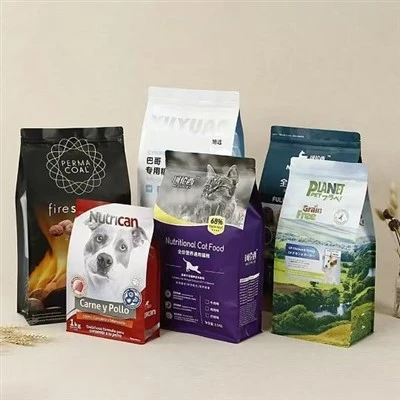
For over a decade, we’ve helped hundreds of brands make the transition from plastic to compostable packaging, and we’ve seen firsthand how that switch can not only reduce a brand’s environmental footprint but also build trust with customers who care about sustainability. If you’re ready to explore compostable personal care packaging for your brand, we’re here to help. Contact us to discuss your packaging needs, request samples, and learn how we can create a custom solution that fits your budget and sustainability goals.
Dairy Product Packaging References:
- Personal Care Products Council. (2023). Sustainable Packaging Survey: Consumer Attitudes and Preferences.
- Sustainable Packaging Coalition. (2024). Global Compostable Packaging Market Report.
- Biodegradable Products Institute. (2023). Compostable Product Certification Standards.
- European Committee for Standardization. (2022). EN 13432: Requirements for Packaging Compostability.
- World Resources Institute. (2023). Plastic Pollution and Climate Change: The Hidden Link.
Tongcheng Wanfang Paper & Plastic Packaging Co., Ltd.
As one of the most professional personal care packaging manufacturers and suppliers in China, we also support customized service. With abundant experience, we warmly welcome you to buy high quality personal care packaging made in China here and get pricelist from our factory. For price consultation, contact us.
Address: No.17, Area B, East China Plastics City, Xindu Town, Tongcheng City, Anhui Province, China
E-mail: aaron@wanfangpack.com
WebSite: https://www.wf-pack.com/
