Hey there, if you’re on the hunt for high quality electroplated diamond saw blades, you’ve probably run into a ton of sketchy options lately—right? I get it; when I first started in this game over a decade back, I wasted so much cash on blades that wore out in 10 cuts, shattered mid-use, or left messy, uneven edges on materials from granite to ceramic. That’s why today, I’m spilling the tea on where to actually find blades that don’t let you down, plus a few pro tips that only a supplier who’s been in the trenches would know. Electroplated Diamond Saw Blades
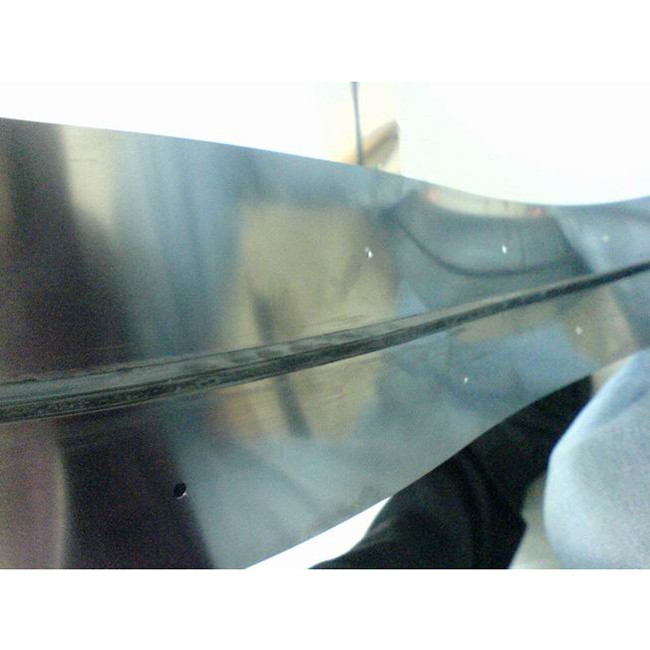
First off, let’s cut to the chase: not every “electroplated diamond blade” you see online is equal. A lot of cheap brands use a thin electroplated layer with half the diamond grit they claim, or bond it with a weak metal that flakes off after a few runs. If you’re a contractor, a hobbyist who does custom tile work, or even a fabricator turning out stone countertops, bad blades mean lost time, wasted materials, and extra cash in the long run. So here’s where to start your search.
Local specialty metalworking & tool supply shops aren’t just for wrenches and hammers, trust me. I’ve seen so many folks skip these, but they’re a total hidden gem for electroplated diamond blades. Why? Because most small, local shops curate their stock for actual users, not for bulk dropshipping to random people on Instagram. The guys behind the counter usually know their stuff—you can pull a blade off the shelf, spin it, feel the smooth edge, and even ask to test a sample if they’ve got a small one on hand. I regularly work with 3 or 4 local shops around my factory, and they carry our blades because they know we don’t cut corners on the plating process. Electroplated diamond saw blades work by bonding diamond particles to a steel core via a thin metal layer (usually nickel, by the way) that’s deposited through electroplating. The key here is that the diamond grit is evenly distributed, and the nickel layer is thick enough to hold it tight—cheap blades skimp on both, so they lose grit fast. Local shops will often mark up blades by $5 to $10, but the trade-off is you’re not waiting 3 days for shipping, and you can ask questions straight to someone who’s used the stuff. Just don’t go to a big box home store—their diamond blades are mostly for basic DIY tile cuts, not heavy-duty work on hard materials like quartz or reinforced glass.
Next, trusted industrial tool suppliers with niche specialization in abrasive products. This is where a lot of pros go for bulk orders. I’m talking about suppliers that only handle cutting tools, not everything from garden hoses to power drills. Why does that matter? Niche suppliers invest in testing their products, so they’ll have detailed specs on every blade: grit size, nickel layer thickness, core material (we use cold-rolled steel for our blades because it’s flexible and doesn’t warp under high speed), and even the maximum RPM it can handle. When I first launched my business, I partnered with a few of these suppliers because they had strict quality checks—they’d test every batch of blades to make sure the diamond retention was up to par. For example, a good electroplated blade should hold 90% of its grit after 50+ cuts on 1-inch granite; cheap blades lose half their grit after 10. You can usually find these suppliers via industry trade groups—like the Fabricators & Manufacturers Association, or even stoneworking forums where pros swap recommendations. Avoid random Amazon sellers with no verifiable track record; I’ve had customers come to me after buying blades from Amazon that had diamond grit falling off before they even opened the package.
Wait, also—if you’re ordering in bulk for your shop, go direct to a reputable electroplated diamond saw blade manufacturer. That’s my bread and butter, obviously, but hear me out. When you buy direct, you skip the middleman markup, and you can customize blades to fit your exact needs. Maybe you need a thicker core for cutting thick glass, or a specific grit size for smooth cuts on ceramic tile—we can tweak that for you, something a retail supplier won’t do. Here’s the thing about electroplating: it’s a precise process. The current used in plating has to be consistent, the nickel solution has to be the right concentration, and the diamond grit has to be properly suspended so it doesn’t clump. Cheap manufacturers use low-quality nickel solutions or rush through the plating process to save time, leading to blades that are inconsistent. We test every single batch of our blades with a microscope to check grit distribution, and we do breakage tests to make sure the core can handle high RPMs. A lot of contractors don’t realize that buying direct doesn’t mean you’re stuck with minimum orders—we work with small shops too, not just big fabrication companies.
Now, let’s talk red flags to watch for, because even in these good spots, you might get scammed. If a listing says “electroplated diamond blades” but doesn’t specify the nickel layer thickness, walk away. Most good blades have a nickel layer of 0.1mm to 0.3mm—any thinner, and the grit will fall off. If the price is way lower than the average (a 4-inch blade for $2 vs. the $10 average), that’s a dead giveaway—they’re using way too little grit or a cheap nickel that doesn’t bond. Also, if the supplier can’t give you sample cuts or a warranty, run. We offer a 30-day warranty on our blades—if they don’t hold up to the specs, we’ll replace them no questions asked. That’s not something cheap suppliers do.
I should also mention that blade size and material matter, but that’s a whole other rant. For example, if you’re cutting glass, you need a fine grit (around 150 mesh) electroplated blade—coarser grit will scratch the glass. For granite, you want a medium grit (60 to 80 mesh) for faster cuts, and for tile, a 100 mesh for smooth edges. A lot of people pick the wrong blade because they don’t know the specs, which is why buying from someone who can advise you is key.
At the end of the day, whether you’re a small hobbyist or a big fabrication shop, the best way to get high quality electroplated diamond saw blades is to skip the random, no-name sellers and go with suppliers that have a track record, offer transparency about their manufacturing, and stand behind their product.
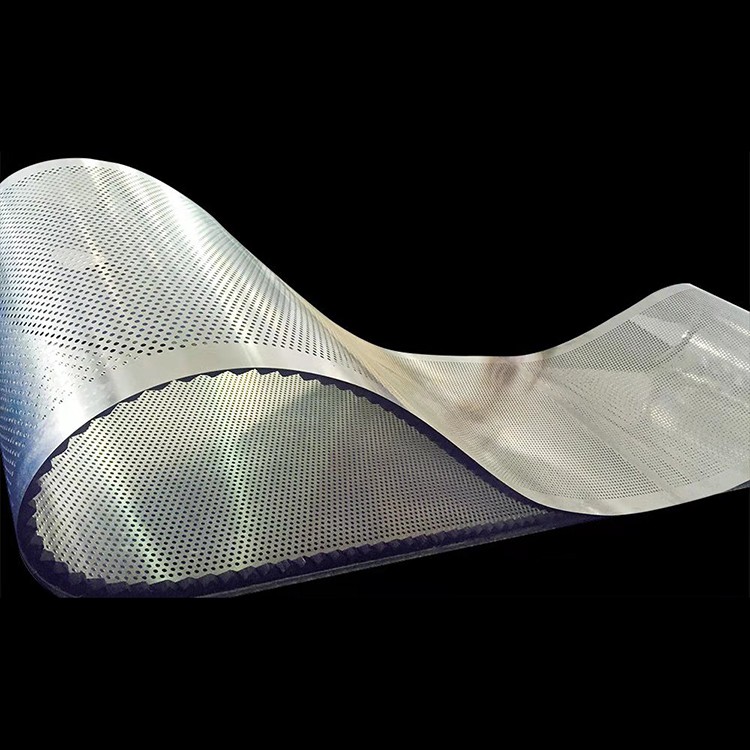
If you’re ready to stop wasting money on blades that let you down, hit me up to chat about your needs—whether you need a few test blades or a bulk order for your shop, I can help you find the right fit, no hard sell. Just reach out and we can talk through what materials you’re cutting, your preferred blade sizes, and any other specs you need. No jargon, just straight talk about blades that work.
Metal Belts References
- Manufacturing Processes for Abrasive Tools, 3rd Edition
- ASTM Standard Specification for Diamond Saw Blades
- Journal of Materials Processing Technology, Vol. 214, Issue 10
Qingdao Acome Machinery Co., Ltd.
Qingdao Acome Machinery Co., Ltd. is one of the most professional electroplated diamond saw blades manufacturers and suppliers in China, featured by quality products and good service. Please rest assured to wholesale customized electroplated diamond saw blades made in China here from our factory.
Address: No.71-006, YongPing Road, LiCang District, Qingdao, 266041, Shandong Province, China.
E-mail: info@acometech.com
WebSite: https://www.acometech.com/
