If you’ve ever stood in a busy diner at 7 a.m., watching line cooks load dozens of sheet pans of pancakes, line servers haul a stack of 20 plates to a table, and dishwashers rinse, scrape, and load utensils faster than you can count, you know how critical hot water is to food service operations. For many establishment owners, the question isn’t when they’ll need reliable hot water—it’s what kind of system will keep up. A common question I get as a commercial water heater supplier is: “Can I use a residential water heater instead of a commercial one?” Or the flip side: “Can a commercial water heater work in my small café or food truck?” The short answer is yes—but only if you understand the unique demands of food service and how commercial water heaters are built to meet them. Too many operators cut corners by using residential units to save on upfront costs, only to face breakdowns, safety violations, and lost revenue down the line. After 12 years supplying commercial water heaters to restaurants, cafes, schools, and catering companies across the Midwest, I’ve seen the good, the bad, and the ugly when it comes to pairing the right equipment with food service needs. Let’s break down what works, what doesn’t, and why a commercial unit is often the smartest choice—no matter the size of your operation. Commercial Water Heater
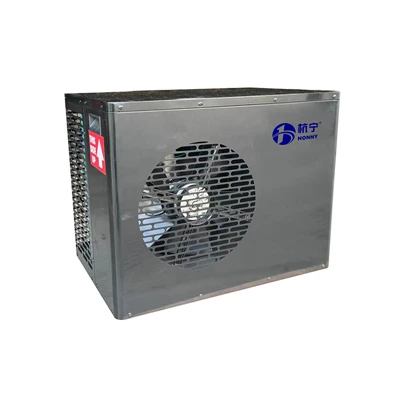
First, let’s define what makes a water heater “commercial” versus “residential.” Residential units are designed for homes, where peak hot water use happens in short bursts: a 10-minute shower, a 5-minute sink load, a dishwasher running once a day. A typical 50-gallon residential water heater might hold enough hot water for a family of four, but it can’t keep up with the continuous, high-volume use of a restaurant, where you might need 10 gallons of hot water per minute for dishwashing, plus steady flow for coffee brewing, handwashing stations, and sanitizing surfaces. Commercial water heaters, by contrast, are built with thicker gauge steel tanks to withstand higher pressure and repeated heating cycles, larger heating elements or burners to maintain consistent water temperature even during heavy use, and built-in antifreeze and corrosion protection for commercial plumbing systems that often run longer distances than home lines. They’re also designed to handle the strict sanitation requirements set by health departments, which is non-negotiable in food service.
But here’s the thing: commercial water heaters aren’t just for big restaurants. I supply units to food trucks that do 50 covers a day, to small bakeries that use hot water for dough preparation, and to pop-up catering operations that host 200 people in a single night. The key is matching the unit’s capacity to your specific daily usage, not just assuming “bigger is better.” Let’s talk about a common use case: dishwashing. A commercial dishwasher requires water at a minimum of 120°F for pre-rinsing and 180°F for sanitizing. A residential water heater often tops out at 140°F, which means you’ll have to mix cold water to reach the required sanitizing temperature for the dishwasher. That wastes water and slows down your dish line. Commercial units are set to maintain 180°F, so you don’t have to waste energy and water adjusting the temperature mid-shift. For a small café with one dishwasher, a 100-gallon commercial water heater is enough, while a full-service restaurant might need a 300-gallon unit or even a tankless commercial system for continuous hot water without storage limits.
Now, let’s get into the science of why commercial water heaters are better suited to food service, and the risks of using residential units in this environment. Food service water systems are subject to more bacteria growth than residential systems because they run more continuously, and they’re required to sanitize surfaces regularly to prevent foodborne illness. Commercial water heaters are designed with higher temperatures (often set at 180°F) that kill pathogens like E. coli and salmonella, which is a requirement for health inspections. Residential units, by contrast, are usually set between 120°F and 140°F to prevent scalding in homes, which is too low to meet health department standards for sanitizing dishes and food contact surfaces. I’ve had customers come to me after a health inspector flagged their residential water heater because their dish sanitizing temperature was too low. They had to pay for a plumber to install a booster heater on top of their existing unit, costing twice as much as a commercial unit would have upfront. That’s the hidden cost of cutting corners.
Another big factor is durability and maintenance. Food service operations run 12–16 hours a day, 6–7 days a week. A residential water heater is built for intermittent use, so its components (like heating elements, thermostats, and tank linings) wear out quickly under continuous heavy load. I had a customer last year, a small diner in Detroit, who installed a $800 residential water heater two weeks before opening. Three months later, it broke down on a Saturday morning, right during their brunch rush. They had to close for four hours, rent a temporary water heater for $150 a day, and lose an estimated $2,000 in lost sales. A commercial water heater, by contrast, has a lifespan of 10–15 years (versus 5–8 for residential) and is designed to be serviced easily, with replaceable parts that are much cheaper than replacing an entire unit mid-rush. Commercial units also come with larger drain valves, which makes flushing the tank to remove sediment easier—a task that’s essential in food service, where hard water can build up quickly and reduce efficiency. Sediment buildup in a residential unit can make the heating element work 30% harder, increasing your energy bills by hundreds of dollars a year.
Tankless commercial water heaters are another option, especially for operations with limited space. A food truck, for example, can’t fit a 100-gallon tank in its small kitchen. A tankless commercial unit provides hot water on demand, so you don’t have to store large amounts of hot water that might cool down over time. For a food truck that runs 12 hours a day, making coffee, washing dishes, and preparing food, a 6-gallon per minute tankless commercial unit is perfect. I recently supplied three tankless units to a group of food vendors at a downtown market, and they all reported a 20% drop in their water heating costs compared to the residential units they’d been using. The only downside is that tankless units have a higher upfront cost, but for operations with high peak demand, they save money in the long run by eliminating standby energy loss.
Wait, but let’s address the common pushback: “A commercial water heater is too expensive for my small operation.” I get it. When you’re opening a new café, every dollar counts. But let’s do the math. A residential water heater costs $800–$1,200 installed. A 100-gallon commercial unit costs $1,800–$2,500 installed. That’s $1,000 more upfront, but let’s look at the savings. The residential unit will need to be replaced every 6 years, so over 15 years, that’s two replacements: $2,000 plus installation. The commercial unit lasts 15 years, so you only pay $2,250 total. Plus, the commercial unit uses 25% less energy because it’s designed for continuous use, so you’ll save $150 a year on your utility bill. Over 15 years, that’s $2,250 in energy savings. Add in the fact that you won’t have to pay for emergency repairs or replacements mid-rush, which I’ve seen cost small businesses $5,000 or more in lost sales and rental fees. That $1,000 upfront difference is a no-brainer.
Another key point: compliance with local and national health codes. Every food service establishment is subject to health department inspections, and hot water temperature is a major part of those inspections. The FDA Food Code requires that hot water for dishwashing be at least 180°F for sanitizing, and many local health departments enforce that strictly. If your water heater can’t maintain that temperature, you’ll get a citation, which can lead to fines, or even a temporary shutdown until you fix the issue. I’ve had customers who tried to use residential units get citations for having water too cold to sanitize dishes. The commercial units I supply are certified to meet FDA and NSF standards for food service, so you’ll pass every inspection with no issues. That peace of mind is worth more than the small upfront cost difference.
Now, what about when a commercial water heater is not the right choice? It’s important to be honest here. If you’re a very small operation—say, a home-based bakery that only uses hot water for mixing dough once a day, or a pop-up shop that only runs on weekends—a commercial unit might be overkill. In that case, a high-efficiency residential unit with a booster heater might work, as long as it meets health code requirements. But for any operation that runs 5 or more days a week, or has more than 50 customers a day, a commercial water heater is the better investment. I also always recommend talking to a professional supplier (like me) to calculate your exact needs. We can do a load calculation: add up the gallons of hot water you need per minute for all your tasks (dishwashing, coffee, handwashing, sanitizing), and match you to the right unit. I always offer free load assessments, because picking the wrong size unit is one of the most common mistakes operators make.
I’ve seen too many operators buy the cheapest unit they can find, only to regret it. Last year, I worked with a new sandwich shop in Cleveland that installed a residential water heater. After a month, their dishwasher was leaving dishes wet, and their health inspector flagged them for not meeting sanitizing temperatures. They called me in a panic, and we swapped the residential unit for a 120-gallon commercial unit in one day. The next inspection, they passed with no issues, and their energy bills dropped by 18%. They told me it was the best investment they’d made, besides their commercial oven. That’s the kind of story that makes me love my job: helping small food businesses avoid costly mistakes and keep their operations running smoothly.
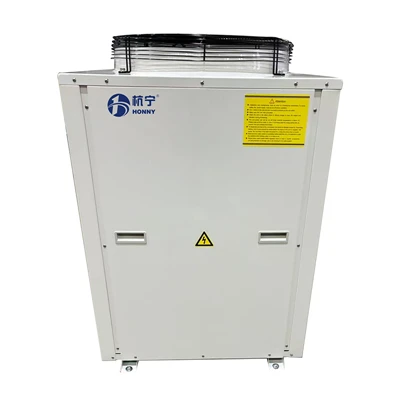
If you’re a food service owner or manager who’s currently using a residential water heater, or you’re planning to open a new establishment and aren’t sure what kind of water heater to buy, don’t guess. The last thing you want is a breakdown on a busy weekend, or a health inspector showing up when your water temperature is too low. As a commercial water heater supplier with years of experience in the food service industry, I can help you pick the right unit for your specific needs, whether you’re a small café, a full-service restaurant, a food truck, or a catering company. We offer competitive pricing, fast installation, and 24/7 service to make sure your water heater never lets you down. If you’d like to discuss your requirements, schedule a site assessment, or get a custom quote, don’t hesitate to reach out.
Swimming Pool Heat Pump References
- U.S. Food and Drug Administration. (2022). Food Code: Hot Water Sanitation Requirements for Food Service Establishments.
- Department of Energy. (2023). Commercial Water Heater Efficiency Standards and Applications.
- National Sanitation Foundation (NSF). (2021). Certification Standards for Water Heaters Used in Food Service.
- Association of Water Technologies. (2022). Sediment Buildup Impact on Water Heater Performance in Commercial Settings.
Hangzhou Honny Heat Energy Technology Co., Ltd.
We are one of the most experienced commercial water heater manufacturers and suppliers in China. With a professional production team, we are able to meet the needs of the majority of our customers. Please feel free to wholesale customized commercial water heater from our factory. Also, quotation is available.
Address: Dingshan Village, Wenyan Subdistrict, Xiaoshan District, Hangzhou City, Zhejiang Province
E-mail: 524435406@qq.com
WebSite: https://www.hnrnkj.com/
