If you’ve ever browsed our showroom or visited our website, chances are you’ve paused at a Steam fireplace and asked one simple question: does it come with a remote control? As a supplier who’s worked with hundreds of homeowners, contractors, and interior designers over the past seven years, this is one of the most frequent, and most important, questions we get. The answer isn’t just “yes” or “no”—it’s tied to how our fireplaces are engineered, designed for real-life use, and built to solve the exact problems people have with traditional heating. Let’s break this down, straight from someone who builds these units for a living. Steam Fireplace

First, let’s clear up a common misconception: steam fireplaces aren’t just decorative novelties. Unlike gas or wood-burning fireplaces that rely on combustion, our units create a realistic flame effect using a combination of LED lights, water vapor, and a misting system. That core design is what makes remotes not just an afterthought, but a critical part of the experience. Think about it: when you’re relaxing on the couch after a long day, stretching your legs at the end of a dinner party, or getting the kids settled in for a movie, you don’t want to trudge across the room to adjust a heat setting or dim a flame. A remote eliminates that friction, which is why every standard steam fireplace we ship includes a remote control.
But not all remotes are created equal, and that’s where the line between basic and intentional design comes in. Early in my career, we tried out cheap, off-the-shelf remotes from a third-party supplier that died every six months, had a range that cut out if you stood more than 10 feet away, and didn’t sync properly with the misting system. Customers would call us frustrated, saying their remote stopped working mid-use, and we realized that skimping on remotes was a false economy. Now, every remote that comes with our units is custom-built, tested to withstand up to three years of regular use, and paired exclusively with our fireplace models.
Let’s get specific about what that remote can do, because it’s not just a power button. For our standard model (the one most homeowners choose for living rooms and primary bedrooms), the remote controls four key functions: power on/off, flame intensity, heat output, and timer settings. The flame intensity adjusts from a soft, glowing flicker for quiet evenings to a bright, dynamic flame that mimics a real fire—perfect for gatherings. The heat output works similarly: if you just want the ambiance, you can turn the heat off entirely, which saves energy, or crank it up to a comfortable 5,000 BTUs for small to medium-sized rooms. The timer is a big hit for parents: you can set the fireplace to shut off automatically after 2 hours, so you don’t have to worry about forgetting to turn it off while the kids watch a show.
For our premium commercial-grade steam fireplaces, which we supply to boutique hotels, restaurants, and open-concept office spaces, the remote is even more robust. It has a lock function, so staff can’t accidentally adjust settings after hours, and it supports multiple zone control—meaning you can set different flame intensities for separate fireplaces in a large lobby or event space. We also offer a smart remote upgrade for both residential and commercial models, which lets you sync the remote to your phone or smart home system, but that’s an optional add-on, not a standard part of the package. Even so, the standard remote for commercial units has a 50-foot range, so you can adjust settings from across a large event hall without stepping in front of guests.
Now, you might be wondering: why would anyone want a steam fireplace without a remote? Honestly, that’s a question we rarely get, but we’ve heard a few reasons. Some people prefer a wall-mounted control panel on the wall near their fireplace, which is a wired option we also offer. It’s a good choice for people who have mobility issues and don’t want to hold a remote, or for commercial spaces where a sleek, built-in control looks better than a plastic remote. We also sell units without remotes as part of our custom build service, where clients want to integrate the fireplace into a larger smart home system with wall tablets or voice control. But for 90% of our customers, the remote is a non-negotiable part of the package, and here’s why: it adds flexibility that fixed controls can’t.
Let’s talk about common customer scenarios to put this into context. Last year, a customer in Chicago bought three of our standard steam fireplaces for their open-concept basement, where they host weekly game nights. They told us the remote was “a game-changer” because they could adjust the flame intensity for each section of the room—say, a softer flame near the couch where people sit, and a brighter one near the dartboard. Another customer, a teacher in Austin, uses her steam fireplace in her home office. She said she keeps the remote on her desk, so if she’s working late and needs a little ambiance to beat the afternoon slump, she doesn’t have to get up from her laptop. For someone renting a space, the remote is also perfect because it doesn’t require permanent wiring—you just plug the fireplace in, pair the remote, and you’re good to go, no need to hire an electrician.
Now, let’s address a few of the complaints we’ve heard over the years, because transparency matters. A small number of customers have said their remote got lost, or it stopped working after a year. When that happens, we don’t leave them high and dry—we sell replacement remotes for a fraction of the cost of a new fireplace, and our customer support team can sync a new remote to your fireplace in under five minutes over the phone. We also recommend keeping your remote in a designated spot near the fireplace, so it doesn’t get buried under a throw blanket or dropped between couch cushions.
Another point: some people worry that a remote-controlled fireplace is less reliable than a model with a fixed control. That’s a fair concern, so let’s be clear about our testing process. Every remote we build undergoes 1,000 cycles of turning on and off, 500 adjustments to flame and heat settings, and a drop test from 6 feet onto a hardwood floor—simulating what happens when a remote falls off a coffee table. We also test the battery life: each remote uses two AA batteries, which last an average of 18 months with regular use, and we send a reminder email to customers when it’s time to replace them, so they never get caught off guard.
If you’re still on the fence about whether a steam fireplace with a remote is right for you, let’s weigh the pros versus the alternatives. The biggest pro is convenience: being able to adjust your fireplace from anywhere in the room, or even in an adjacent room, makes it far more useful than a wood-burning fireplace, where you have to go outside to tend to the fire, or a gas fireplace, where you have to get up to turn the knob. For people who live in small apartments or have busy lifestyles, that convenience is worth every penny. The alternative, if you don’t want a remote, is a wall control panel, which is great but requires professional installation, adding an extra $150 to $200 to your setup cost. It also ties the fireplace to one fixed location, whereas a remote lets you move around your space freely.
As a supplier, we’ve also seen how remotes add value to the resale of a home. Homeowners who have steam fireplaces with custom remotes tell our team that they’re a top selling point when they put their house on the market. Buyers love the modern, low-maintenance feel of a steam fireplace, and a remote control is seen as a thoughtful, useful upgrade that adds to the home’s overall functionality. For commercial clients, hotels and restaurants with remote-controlled fireplaces get positive reviews from guests who mention the ease of use and the cozy ambiance, which translates to repeat business.
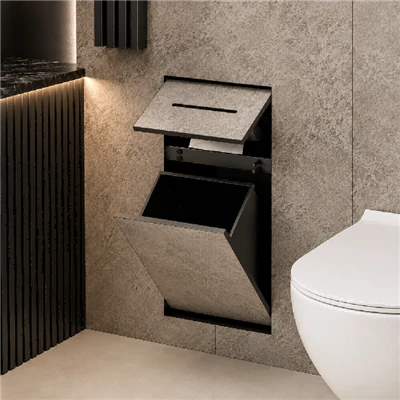
If you’re considering purchasing a steam fireplace and are still unsure about the remote, or if you have questions about our models, specifications, or pricing, we’re here to help. Our team has over a decade of experience working with both residential and commercial clients, and we can walk you through the options, show you product demos, and answer any questions you might have. Whether you’re looking for a unit for your living room, a commercial space, or a custom build, we have products that fit your needs. We offer flexible delivery options, warranties on all our units, and support for the life of your purchase. To learn more, get in touch with our team to schedule a consultation or request a quote.
Stainless Steel Niche References
- International Association of Home Inspectors. (2022). Steam Fireplace Safety and Operation Guidelines.
- Heating, Refrigeration, and Air Conditioning Institute of Canada. (2021). Residential Fireplace Accessibility and Convenience Features.
- National Association of Home Builders. (2023). Smart Home Features That Boost Residential Property Value.
Foshan Chengshuang Stainless Steel Co., Ltd.
Foshan Chengshuang Stainless Steel Co., Ltd. is one of the most professional steam fireplace manufacturers and suppliers in China. We are committed to providing high quality customized service and 1 year warranty to global clients. If you’re going to wholesale durable steam fireplace made in China, welcome to get pricelist and free sample from our factory.
Address: No.2, No.5 West, Pingsheng Avenue, Pingzhou, Guicheng Subdistrict, Nanhai District, Foshan City, Guangdong Province, CN.
E-mail: csniches@gmail.com
WebSite: https://www.cs-metals.com/
