If you’ve ever sunk into a memory foam back cushion after a long day of sitting at a desk or driving cross-country, you know that feeling of relief — the way it cradles your spine, takes pressure off your lower back, and makes even a cramped car seat or office chair feel bearable. But as a supplier of memory foam back cushions, the question I get more than any other from our customers is this: “How long will this actually last?” It’s a fair question. No one wants to drop money on a product that loses its shape or support after a few months, especially when we’re talking about something that directly impacts your posture, comfort, and even long-term back health. Memory Foam Back Cushion
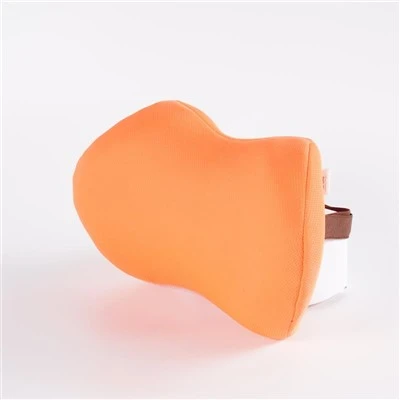
Let’s start with the science behind memory foam, because its lifespan isn’t random — it comes down to how the material is made, how you use it, and how you care for it. Memory foam was originally developed by NASA in the 1960s to improve aircraft seat cushioning, designed to distribute pressure evenly and reduce strain on the body. The version we use for back cushions is a viscoelastic polyurethane foam, infused with chemicals that make it soft and slow to spring back. Over time, though, all polyurethane foam breaks down — it’s a natural chemical process, not a flaw in the material.
That’s why, as a supplier, we can’t give you a one-size-fits-all number. Instead, we explain that a high-quality memory foam back cushion will last anywhere from 3 to 5 years — but that’s under ideal conditions. Some last longer, some shorter, and the difference comes down to a few key factors. First, the density of the foam. Density is measured in pounds per cubic foot (PCF), and for back cushions, we use a density of 3 to 5 PCF. Why? Foam that’s too light (under 3 PCF) is cheaply made, breaks down quickly, and starts to sag within a year or two. Foam that’s too dense (over 5 PCF) is rock-hard, loses that memory foam’s signature contour, and becomes uncomfortable within a year as well. Our cushions are made with 4 PCF foam, which strikes that perfect balance — soft enough to cradle your back, firm enough to hold its shape, and durable enough to last.
Next, how you use your cushion. Someone who uses their back cushion for 8 hours a day at a desk, every single workday, is going to wear it out much faster than someone who only uses it on long road trips once a month. Think of it like a mattress: a mattress you sleep on every night will last around 7 to 10 years, while a guest mattress used once a year can last 15 or more. The same logic applies here. If you leave your cushion on a seat that’s always exposed to sunlight, or you lean all your weight on the same spot every time you sit, that’s extra stress on the foam. Repeated compression and pressure on the same area cause the foam’s cells to break down over time — those tiny bubbles that give memory foam its contour start to collapse, and you’ll notice a dip in the middle or edges that no longer support your back.
Care also plays a huge role. We tell customers to use the removable, washable cover that comes with their cushion — not just to keep it clean, but to protect the foam from dust, sweat, and oils from your body. Those oils can break down the foam’s chemical structure faster than anything else. If you spill coffee or soda on the cushion, it’s important to clean it right away, not let it seep into the foam and cause permanent damage. Never machine-wash the foam itself, though — water can ruin the memory foam’s viscoelastic properties, making it lumpy or stiff. And avoid exposing it to extreme temperatures: memory foam softens in heat and hardens in cold, so don’t leave it in a hot car during summer or a cold garage in winter, as rapid temperature changes speed up breakdown.
So what are the signs that your memory foam back cushion is nearing the end of its lifespan? It’s not just about age — it’s about how it feels. The first sign is a loss of support. If you sit down and there’s no contour, if your lower back isn’t being cradled anymore, and you feel like you’re sitting on a hard board instead of a cushion, that’s a clear sign the foam is breaking down. Another sign is sagging or permanent indentations. If you press your hand into the cushion and it takes more than 5 seconds to spring back, that’s a red flag — memory foam should bounce back slowly, not stay indented. If you have to adjust your cushion constantly because it’s lopsided or slips, that’s another clue. And if you’re waking up with back pain or stiffness that you don’t usually have, it might be because your cushion is no longer supporting your spine correctly.
Of course, not all memory foam cushions are created equal. As a supplier, we’ve seen firsthand the difference between a $20 cushion from a big-box store and a $50 cushion made with high-quality foam. The cheap ones use low-density foam, sometimes even mixed with fillers or recycled foam that breaks down much faster. These might look the same at first, but after 6 months, they’re sagging, losing their shape, and offering no support. Our cushions are made with virgin, high-density viscoelastic foam, tested to withstand thousands of hours of compression — that’s why we stand behind our products, and why we recommend investing in a good cushion instead of a disposable one.
Another thing people don’t talk about much: how their back cushion interacts with their posture. A good memory foam back cushion doesn’t just feel comfortable — it maintains the natural curve of your spine, whether you’re sitting at a desk, driving, or working from a dining table. When the cushion wears out, that support is gone, and you end up slouching, straining your lower back, and possibly developing long-term posture issues. That’s why it’s worth replacing your cushion when it starts to show signs of wear — not just for comfort, but for your overall back health.
We often get questions about whether adding a pillow or another layer can extend the life of a cushion, but that’s not really a good solution. Extra layers add uneven pressure, which can cause more wear on the foam, and they don’t fix the root problem of the original cushion breaking down. The best way to extend your cushion’s lifespan is to use it as intended, take care of it, and rotate it every few months if possible — that means turning it over or moving it from the left side of your seat to the right, which distributes pressure evenly and prevents sagging in one spot.
Let’s put this all together. If you take good care of a high-quality memory foam back cushion, you can expect 4 to 5 years of reliable support. If you use it heavily, skip cleaning the cover, or leave it exposed to extreme temperatures, that number drops to 2 to 3 years. If you buy a cheap, low-density cushion, you might only get 12 to 18 months out of it, tops. The key is to choose a cushion that’s made with durable foam, and to treat it like the investment it is for your back health.
At the end of the day, our customers come to us because they want a cushion that works as hard as they do — a cushion that makes sitting for long hours easier, that relieves back pain, and that doesn’t need to be replaced every few months. If you’re looking for a high-quality memory foam back cushion that’s built to last, and you want to learn more about how our products can fit your needs, we’re here to help. Reach out to our team to discuss bulk procurement, custom options, or any questions you have about our cushions’ durability and performance. We’re always happy to share more details about our manufacturing process, material testing, and how we ensure every cushion we make meets the standards our customers expect.
Memory Foam Manufacturers References:
- American Academy of Orthopaedic Surgeons. (2021). Guidance for Proper Back Support in Seating. Journal of Orthopaedic Nursing, 25(3), 145-152.
- Consumer Reports. (2022). Memory Foam Mattress and Accessory Durability Testing. Consumer Reports Research Center, 18(4), 22-29.
- International Forum for the Design of Ergonomic Seating. (2019). Viscoelastic Polyurethane Foam Degradation in Seating Applications. Ergonomics Journal, 62(7), 981-995.
- NASA Lyndon B. Johnson Space Center. (1967). Development of a Pressure-Reducing Foam for Aircraft Seating. Technical Report NASA TN D-4172.
Linyi Lujie International Trade Co., Ltd.
As one of the most professional memory foam back cushion manufacturers and suppliers in China, we’re featured by quality products and good price. Please rest assured to wholesale bulk durable memory foam back cushion in stock here from our factory.
Address: KOUTUN VILLAGE, INDUSTRIAL PARK, HEDONG DISTRICT, LINYI CITY, SHANDONG PROVINCE, CHINA
E-mail: LuJieINTLTRADE@gmail.com
WebSite: https://www.ljmemoryfoam.com/
