If you’re in the heavy-duty vehicle industry—whether running a fleet of long-haul trucks, maintaining school buses, coordinating refuse collection routes, or building industrial rail rolling stock—you already know how critical automatic slack adjusters (ASAs) are to brake system safety and efficiency. For decades, I’ve worked directly as a supplier of these components, talking to mechanics, fleet managers, and shop owners who consistently ask the same question: Where can I buy an automatic slack adjuster I can trust to perform reliably, fit my specific equipment, and won’t drain my budget? Let’s cut through the noise of generic industrial suppliers, third-party marketplaces, and one-off vendors to break down exactly where to source ASAs that meet your needs, with insight only someone who designs, tests, and ships these parts day in and day out can share. Automatic Slack Adjuster
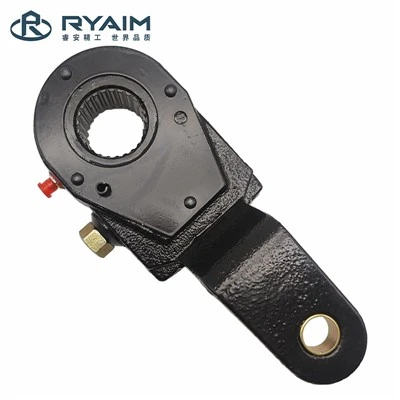
First, let’s address a common pitfall I see all the time: skimping on ASAs to save a few dollars online, only to deal with repeated brake failures, costly downtime, and OSHA inspections. ASAs aren’t generic. A slack adjuster calibrated for a 10,000-pound delivery van won’t work for a 80,000-pound semi-truck, and a model designed for drum brakes doesn’t align with air disc brake systems. That’s why the right source isn’t just a place that sells parts—it’s a source that offers expertise to match your ASA to your equipment.
The most reliable first stop for most fleets and repair shops is a specialized heavy-duty brake component supplier. Not the big-box automotive stores that stock a handful of one-size-fits-all parts, but suppliers who focus exclusively on commercial vehicle braking systems. For example, when a fleet manager from a regional bus line reaches out to me asking for ASAs for their 2023 school bus fleet, I don’t just pull a part number off a shelf. I cross-reference their vehicle’s make, model, and brake system type to confirm the ASA meets FMVSS 121 standards (the federal regulation governing commercial brake performance), has the correct stroke length, and uses corrosion-resistant housing to withstand the harsh Midwest winter salt. That level of detail is only available from a supplier who knows their product line inside and out, and who can also handle bulk orders for fleet updates, same-day shipping for emergency repairs, and technical support when a part needs to be installed or replaced.
This isn’t to say that general industrial part platforms have no value for small repair shops or owner-operators who only need one ASA. But if you go that route, stick to verified sellers with direct ties to major ASA manufacturers, not third-party resellers who often stock counterfeit or reconditioned parts passed off as new. Counterfeit ASAs are a huge problem in the commercial vehicle space: I’ve seen a cheap knockoff that looked identical to a legitimate ASA fail in 1,200 miles of highway driving, leading to a near-crash and $12,000 in repairs for the fleet. Legitimate sellers on general platforms should provide part numbers, documentation of compliance with FMVSS or ISO standards, and a warranty of at least 12 months. If a seller can’t produce that, walk away.
For new vehicle manufacturers and large-scale fleet operators upgrading entire brake systems, working directly with an ASA supplier is often the best choice. When I work with OEMs, I don’t just supply parts—we co-design ASAs to fit their new vehicle lines, test prototypes in real-world conditions (including mountain grades, stop-and-go urban traffic, and coastal salt exposure), and provide training for their technicians to install and maintain the parts correctly. That level of partnership saves manufacturers time and money long-term, because they don’t have to vet third-party suppliers, and their vehicles come to market with ASAs that are proven to perform. For fleets looking to retrofit their entire brake systems, a direct supplier can also offer bulk pricing, flexible delivery schedules, and custom inventory management to keep their shops stocked without excess parts sitting on shelves.
Another key consideration for sourcing ASAs is compatibility with your existing inventory and maintenance practices. Some ASAs are designed to work with standard manual slack adjuster mounting points, while others require specific tools or lubrication schedules. A reliable supplier will ask you about your current maintenance routine, the tools you have in your shop, and any past issues you’ve had with brake systems, rather than just pushing a part. For example, a small repair shop in a rural area that only works on a mix of trucks and tractors might prefer ASAs that don’t require specialized calibration tools, so they can install them quickly without extra equipment. A long-haul fleet with dedicated brake technicians, on the other hand, might prioritize ASAs with advanced self-diagnostic features that alert drivers to brake wear, reducing unplanned downtime on cross-country routes.
I often get asked: What about remanufactured ASAs? For some operations, especially those working on older vehicles that are no longer in production, remanufactured parts can be a cost-effective option—if they’re sourced from a reputable supplier. A good remanufactured ASA should be stripped down, cleaned, inspected for wear, and rebuilt with new internal components (like gears and springs) to meet original performance standards. It should also come with the same warranty as a new part. But be wary of remanufactured ASAs that skip the inspection step: I’ve seen some that are just cleaned and repainted, with worn gears that will fail within a few months. For newer vehicles, though, new ASAs are almost always the better choice, because they come with full warranty coverage and are built to meet current safety standards.
Now, let’s talk about how to vet a supplier to make sure you’re getting a legitimate, high-quality automatic slack adjuster. First, check for industry certifications: a reliable ASA supplier will have ISO 9001 certification (which ensures consistent quality in manufacturing) and will supply parts that meet FMVSS 121, the U.S. federal standard for commercial motor vehicle brakes. They should also provide clear product specifications, including part number, compatible vehicle models, stroke length, and warranty terms. Avoid suppliers that only post generic photos of ASAs without specific details, or that offer parts at prices that seem too good to be true—chances are, those are counterfeit or low-quality parts that will cost you more in the long run.
Another red flag is a supplier that can’t provide technical support. If you have a question about whether an ASA will fit your vehicle, how to install it, or how to troubleshoot a minor issue, you should be able to reach a knowledgeable person who works with the product every day. When a mechanic calls me with a question about a ASA they installed, I’ll walk them through calibration steps, explain how the adjuster works with their specific brake system, and even help them identify if a part is defective. That level of support is invaluable, especially for small shops that don’t have a large in-house technical team.
For owner-operators and small fleets, the best balance of cost, quality, and convenience is often a reputable commercial vehicle parts distributor that specializes in braking systems. These distributors work directly with ASA suppliers, so they have access to a wide range of parts for different vehicle types, can offer competitive bulk pricing for fleets, and provide fast shipping to get parts to you when you need them. Many also offer same-day pickup at their locations, which is a huge help for emergency brake repairs.
Let’s circle back to the original question: Where can I buy an automatic slack adjuster? The answer isn’t one single place—it depends on your needs. If you’re a large OEM or fleet upgrading your entire brake system, source directly from a specialized ASA supplier. If you’re a small repair shop or owner-operator needing one or two parts, go to a trusted commercial vehicle parts distributor with a track record of selling legitimate, compliant parts. If you use general online marketplaces, stick to verified sellers with clear documentation and warranties, and avoid any part that doesn’t meet industry safety standards.
At the end of the day, automatic slack adjusters are a small part of your vehicle, but they’re one of the most critical for safety on the road. A faulty ASA can lead to brake failure, accidents, and costly downtime that disrupts your operations. That’s why choosing a reliable supplier isn’t just about getting a part—it’s about investing in the safety of your drivers, your fleet, and other people on the road.
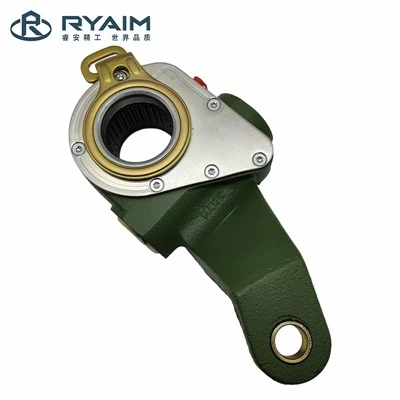
If you’re ready to source automatic slack adjusters for your vehicles, or have questions about compatibility, installation, or bulk ordering, don’t hesitate to reach out to connect with our team to discuss your specific needs. We work with fleets of all sizes, from owner-operators to large municipal transit systems, to provide high-quality ASAs that meet strict safety standards, with the technical support you need to keep your operations running smoothly.
Disc Brake Caliper References
- National Highway Traffic Safety Administration. (2022). Federal Motor Vehicle Safety Standard No. 121: Air Brake Systems.
- International Organization for Standardization. (2021). ISO 9001: Quality Management Systems – Requirements.
- American Trucking Associations. (2023. Commercial Vehicle Brake Maintenance Best Practices.
- Heavy Duty Manufacturers Association. (2022. Automatic Slack Adjuster Performance Guidelines.
Zhejiang Ryaim Auto Parts
As one of the most professional automatic slack adjuster manufacturers and suppliers in China, we’re featured by quality products and good service. Please feel free to wholesale custom made automatic slack adjuster from our factory. Contact us for more details.
Address: No. 78, Yexiao Road, Yaojiang Town, Zhuji City, Zhejiang Province
E-mail: bd@zjryaim.com
WebSite: https://www.ryaimchina.com/
