If you’ve ever spent time around heavy machinery, construction sites, or even a well-used set of gates and hinges, you’ve probably relied on a pin shaft without giving it a second thought. These small, unassuming components hold everything together—from the arm of a bulldozer to the hinge on a farm gate, from the wheels of a trailer to the moving parts of a conveyor belt. But here’s the thing: choosing the wrong pin shaft isn’t just a small mistake. It can lead to unexpected downtime, costly repairs, or even safety hazards that put workers at risk. Over the 12 years I’ve been supplying pin shafts to industries across North America, I’ve heard more horror stories than I can count: a construction job delayed for three days because a generic pin corroded mid-shift, a farm gate that fell off its hinges because someone used a pin that was too thin, a conveyor line shut down because a poorly rated pin sheared under load. Every single one of those problems could have been avoided with a little attention to detail when selecting the right pin. Today, I want to walk you through exactly how to choose the right pin shaft—from the biggest factors you need to consider, to the small details most people overlook, to the questions you should ask your supplier before placing an order. Let’s start with the basics: what a pin shaft actually does. At its core, a pin shaft is a fastener designed to connect two or more components, allow for rotational movement, and transfer load between them. Unlike a bolt, which is tightened and secured permanently, a pin is often meant to be removed or adjusted—think of a trailer’s hitch pin, or the pin that holds a bucket on an excavator. But even with that simple function, there’s no one-size-fits-all pin. The right pin depends on three non-negotiable factors: the load it will carry, the environment it will live in, and how often it will be removed or adjusted. Let’s break each of these down, starting with load. This is probably the most critical factor, and it’s where I see the most mistakes. When someone comes to me saying “I need a pin for my excavator bucket,” the first thing I ask is: what’s the maximum static and dynamic load that pin will have to bear? Static load is the weight of the components themselves when they’re not moving—so for an excavator bucket, that’s the weight of the bucket, plus whatever soil or rock it’s holding. Dynamic load is the force that comes from movement—when you lift the bucket, swing it, or dump the load. That’s where a lot of people go wrong: they only calculate the static load, and end up with a pin that can’t handle the jolts and twists of heavy equipment work. Let’s use a concrete example. A common excavator bucket pin is 2 inches in diameter, made of 1045 carbon steel, and rated for 12,000 pounds of dynamic load. If someone tries to use a 1.5-inch pin from a big box hardware store for the same application, that pin will likely bend or shear within a few hours. Why? Because the smaller diameter has a lower shear strength. Shear strength is the amount of force a material can take before it breaks under a sideways or twisting force—exactly what a pin experiences when it’s holding a moving bucket. Tensile strength, on the other hand, is the force it can take before breaking under a straight pull. Most load calculations for pins focus on shear strength, so that’s the number you need to pay close attention to. Another thing to consider when it comes to load: whether the pin will be subject to shock loads. Shock loads are sudden, unexpected forces—like when an excavator drops a load onto the ground, or a construction truck hits a pothole. For applications with shock loads, you want a pin with a higher tensile strength, and often a material that’s more ductile (meaning it bends instead of shatters when under sudden force). For most general industrial and construction applications, 1045 carbon steel is the sweet spot—it’s strong, affordable, and easy to machine. But if you’re working with loads over 20,000 pounds, or extreme shock loads, you might need a alloy steel like 4140, which has a higher strength-to-weight ratio. Next, let’s talk about environment. A pin shaft that works perfectly in a dry, indoor factory will fall apart in a coastal construction site or a farm exposed to rain, mud, and fertilizer. Corrosion is the biggest enemy here. I once sold a batch of pins to a fishing dock company that used generic uncoated steel pins for their dock hinges. Within six months, half of the pins had rusted so badly they couldn’t be removed for maintenance. The company ended up paying three times more to replace them with galvanized stainless steel pins, and lost weeks of revenue while the docks were unusable. The right finish or material for your environment can save you thousands of dollars in replacement and maintenance costs. Let’s cover the most common environments and the best pin solutions for each. First, harsh outdoor environments with high humidity, salt, or chemicals: coastal construction, marine applications, farms, or chemical processing plants. For these, hot-dip galvanized pins are a great middle ground. They’re coated with a layer of zinc that acts as a barrier against corrosion, and they’re affordable compared to fully stainless steel pins. If your application is even more extreme—like deep-sea oil rigs, or industrial ovens where temperatures reach 500°F or higher—you’ll want 304 or 316 stainless steel pins. 316 stainless is better for saltwater and chemical exposure, by the way—way more corrosion-resistant than 304. For dry, indoor environments like assembly lines or machinery in a climate-controlled warehouse, uncoated 1045 carbon steel is fine. It’s strong, cheap, and easy to machine, so it works well for applications where you need to adjust the pin often. One thing I always warn customers about: don’t just assume “stainless steel is best.” It’s not always necessary, and it can be a huge waste of money if you don’t need its corrosion resistance. I had a customer who ordered 316 stainless pins for a conveyor belt in a dry warehouse, just because he thought they’d last longer. Six months later, he called me saying the pins were fine, and he wished he’d saved the extra cost by going with galvanized carbon steel. It’s about matching the material exactly to your environment, not overbuying. The third big factor is how often you’ll need to remove or adjust the pin. Is this a pin that only gets taken apart once a year for maintenance, or is it a hitch pin that you’re pulling and putting back every week? For infrequent removal, you have more options. A standard clevis pin with a cotter pin works great—it’s easy to install, and the cotter pin keeps it from falling out. For pins that need to be removed more often, or where you want extra security (like trailer hitch pins), a quick-release pin or a spiral lock pin is better. Quick-release pins have a spring-loaded collar that lets you push and pull them in seconds, without tools. That’s perfect for anyone who’s hooking up and unhooking trailers, or adjusting machinery parts on the job site. Another detail here: the head of the pin. Most people don’t think about this, but the head shape can make a big difference in how easy the pin is to install and remove. A flat head works for applications where the pin is recessed into a component, while a round head is better for areas where you need to hit the pin with a hammer to drive it in or out. For heavy machinery, a shoulder pin is another good option—they have a smooth shoulder that limits how far the pin can go into the component, which prevents over-tightening and makes installation faster. Now, what about size? This is another area where people cut corners. You don’t just want a pin that’s strong enough—you want one that’s the right length and diameter. For diameter, always check the original equipment manufacturer (OEM) specifications for your machine or component first. If you don’t have OEM specs, measure the hole the pin will go into, and make sure the pin’s diameter is 1/64 to 1/32 of an inch smaller than the hole. That small gap lets the pin rotate smoothly, without wobbling. A pin that’s the same size as the hole will bind up, leading to premature wear and tear. For length: the pin should be long enough to fit through both components, and have enough space on the end to secure it. If you’re using a clevis pin with a cotter pin, the pin should extend at least 1/8 of an inch past the component, so you can bend the cotter pin ends to hold it in place. If it’s too short, the cotter pin won’t fit properly, and the pin could fall out. If it’s too long, it will stick out and get in the way of other moving parts, or catch on clothing or tools, creating a safety hazard. I always tell customers: when you’re measuring your application, measure twice, order once. It’s worth taking the time to get the right measurements, instead of having to return pins or wait for a replacement mid-job. Now, let’s talk about red flags to watch out for when choosing a pin, and how to know if you’re working with a supplier that’s got your back. First, avoid suppliers that only carry generic pins, no matter how cheap they are. Generic pins are often made with lower-quality materials, have inconsistent dimensions, and no quality control. I’ve seen generic pins marked as 1045 carbon steel that were actually made from cheap mild steel, which bends under minimal load. That’s a huge risk for any job. A good pin supplier will ask you specific questions about your application: what’s the load, what environment will it be in, how often will you adjust it, what are your dimensions? They’ll offer different material and finish options, and they’ll be able to provide test data or certifications for their pins if you need them. Another red flag: suppliers that pressure you to buy more than you need. As I mentioned earlier, stainless steel isn’t always the answer. A reputable supplier will listen to your needs and recommend the most cost-effective, long-lasting pin for your specific use case, not the most expensive one in their catalog. Let’s wrap this up with a real example to tie it all together. Last year, I worked with a small construction company that was having constant problems with the bucket pins on their new skid-steer loaders. They were buying generic 1.75-inch 1045 carbon steel pins from a local hardware store, and replacing them every three months. When they came to me, I asked them for details: their skid-steer’s bucket had a maximum dynamic load of 8,000 pounds, they worked in the rainy Pacific Northwest, and the pins needed to be removed every month for bucket maintenance. First, I told them to switch to hot-dip galvanized pins, which would resist corrosion better than uncoated steel. Then, I recommended a 1.75-inch diameter pin made from medium-carbon 1045 steel, heat-treated for extra shear strength. We also added a shoulder to the pin, which would make installation faster and prevent over-tightening. The cost difference was only 15% more than the generic pins they were buying. A year later, they called me to say they hadn’t replaced a bucket pin since. The corrosion had stayed away, the heat-treated steel held up to the dynamic loads, and the shoulder made maintenance quick and easy. That’s the kind of solution I strive to provide for every customer. At the end of the day, choosing the right pin shaft isn’t complicated, but it does require paying attention to a few key details: load, environment, frequency of adjustment, size, and material. Generic pins might seem like a cheap fix upfront, but they lead to more downtime, more replacements, and higher costs in the long run. If you’re not sure which pin is right for your application, don’t guess. Reach out to a reputable pin supplier who can ask you the right questions and recommend a pin that’s built to last. I’ve been in this business for over a decade, and I’ve helped everyone from small farm owners to large construction firms get the right pins for their jobs. I’d be happy to walk through your specific needs with you, answer any questions, or help you find a solution that works for your budget and your application. Pin Shaft

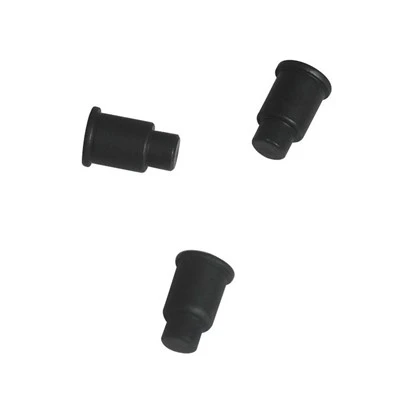
Rivet References:
- Machine Design: Fastener Selection Guidelines for Industrial Applications, Society of Manufacturing Engineers, 2019
- Corrosion Resistance of Stainless Steels and Coated Carbon Steels, National Association of Corrosion Engineers, 2021
- Heavy Equipment Fastener Load and Strength Calculations, Construction Industry Institute, 2020
- Pin Shaft Design and Application Best Practices, American Society of Mechanical Engineers, 2018
Wuyuan Jieyi Automotive Electrical Appliance Co., Ltd.
As one of the most professional pin shaft manufacturers and suppliers in China, we’re featured by quality products and good service. Please rest assured to wholesale bulk durable pin shaft in stock here from our factory. We also accept customized orders.
Address: No. 7 Likeng Road, Industrial Park Wuyuan County, Shangrao City, Jiangxi Province
E-mail: wyjydqz@163.com
WebSite: https://www.wyjydq.com/
