Hey everyone, it’s Jake from Granite Architectural Stone here – and before you ask, no, I’m not just the guy who loads crates of polished granite onto trucks all day (though that’s definitely part of the job). These past few months, I’ve gotten so many panicked calls from clients: “My granite facade looked so sharp when we installed it 6 months ago, now it’s got streaks and I ruined it trying to clean it!” Guys, I’ve seen it all – from someone using oven cleaner on a commercial lobby granite to a homeowner scraping gum off a residential wall with a putty knife. Granite is tough, right? But it’s not indestructible. Today I’m breaking down exactly how to clean granite facades without turning that beautiful, durable stone into a dull, scratched-up disaster. Granite Architectural Stone

First off, let’s get one thing straight: granite is a natural stone, formed deep in the earth from cooled magma. It has tiny pores (even the polished varieties) that can trap stuff if you let it, and those pores get damaged by harsh chemicals way easier than the surface itself. I once visited a downtown office building where the cleaning crew used a generic acid-based cleaner – you know, the ones that say they work on every surface. Within a week, the granite facade had white etch marks all over it where the acid ate into the polished finish. That’s a mistake no one wants to make, especially with a granite facade – it’s an investment, not a disposable wall covering.
Let’s start with the basics: what you actually need (and don’t need) to clean granite. I see so many people overbuying fancy products, but half the time, simple stuff works better. For regular, daily or weekly cleaning (depending on how much your facade is exposed – like if it’s on a busy street with lots of pollution, or a residential wall near a backyard), here’s your go-to kit: a soft microfiber mop or cloth (not a scrub brush, not a sponge with a rough side – trust me, I’ve seen the scratches), pH-neutral granite cleaner (I don’t push specific brands, just make sure it’s labeled for natural stone – avoid anything that says “stone cleaner” without specifying neutral pH), and warm water. That’s it. No bleach, no ammonia, no vinegar, no oven cleaner, no laundry detergent – those are the big no-nos, and I’ll tell you why in a sec.
Wait, why pH-neutral? Think of your granite’s surface like your skin – harsh chemicals mess with the balance, right? Bleach is super alkaline, ammonia is too, vinegar is acidic. All of these break down the polish on granite over time, and acidic ones cause those etch marks I mentioned earlier. I had a restaurant client last summer who used vinegar to wipe down their outdoor granite facade after a spill – by the next rainy day, there were dull spots everywhere. It’s reversible if you catch it fast, but still, avoid it entirely if you can.
Now, for regular cleaning: don’t soak the granite. I know, it’s tempting to douse a dirty wall, but water can seep into those tiny pores and cause mold or mildew to grow behind the facade, especially if it’s installed in areas with poor drainage. So, how to do it right? Mix your pH-neutral cleaner with warm water in a bucket – follow the ratio on the bottle, usually a quarter cup of cleaner per gallon of water is perfect. Dip your microfiber mop or cloth into the mix, wring it out so it’s just damp, not dripping. Wipe the facade in gentle, circular motions – don’t scrub hard. If there’s light grime, that’s all it takes. For bigger areas, work in small sections so you don’t let the cleaner dry on the surface – if it dries, you might get streaks you have to re-clean. Once you’ve wiped a section, rinse it with a clean, damp microfiber cloth, then dry it right away with a separate microfiber cloth. Drying is key to preventing water spots, especially on polished granite.
But wait, what about tough stains? Like bird droppings, dirt from construction, oil stains from a nearby garage, or gum? Regular cleaning won’t cut it here, and you might be tempted to grab something stronger – don’t. Let’s break down common stains and how to handle them safely for granite.
First, bird droppings. These are super common on exterior granite facades, and if you leave them for more than a day or two, the acid in bird poop can etch the stone. The good news is they’re easy to remove safely. Don’t scrape them with a hard tool – that will scratch the surface. Instead, spray a little bit of your pH-neutral cleaner directly onto the bird dropping, let it sit for 5 minutes to soften it, then gently wipe it away with a soft microfiber cloth. If it’s been there a while, you can add a tiny bit of baking soda to the mix (baking soda is mild abrasive, not harsh at all) to help lift it – just make sure it’s only a thin layer, and rinse really well afterward.
Next, oil or grease stains. This one’s more common on ground-floor facades, near parking lots or driveways. If you get an oil stain, the worst thing you can do is use a degreaser – most degreasers are way too harsh for granite. Instead, make a paste of baking soda and warm water (about 3 parts baking soda to 1 part water) and spread it thin over the stain. Cover the paste with plastic wrap and tape the edges down so it stays in place, and let it sit for 24 to 48 hours. The baking soda will absorb the oil. After that, wipe the paste away with a damp microfiber cloth, then rinse and dry. I used this on a client’s garage wall last year – the oil stain was 3 weeks old, and it came out completely without damaging the granite.
Then there’s gum. Oh, gum on exterior granite is a nightmare. People usually try to scrape it or use a chemical gum remover, but both of those can scratch or etch. My go-to trick here is ice. Grab a bag of ice, press it against the gum for a few minutes until it’s completely frozen. Once it’s hard, gently peel it off with your fingernail (or a plastic putty knife, not metal) – it should come off in one piece. If any residue is left, wipe it with your pH-neutral cleaner and a microfiber cloth. I’ve used this on dozens of projects, it never fails.
What about etch marks or really heavy pollution from a busy street? Wait, hold on – those are a bit trickier, and you shouldn’t try to fix them yourself if you’re not experienced. I recommend calling a professional granite cleaning company that specializes in natural stone – they have the right equipment (like low-pressure power washers, not high-pressure ones, which can etch or crack granite) and products to restore the finish without damaging it. Never use a high-pressure power washer on granite yourself – I’ve seen too many facades get chipped or have their polish stripped because someone thought more pressure = better cleaning.
Now, a few common mistakes I see all the time that damage granite facades, so let’s get these out of the way. First, using rough cleaning tools: steel wool, scrub brushes with stiff bristles, rough sponges, even old towels with loose threads. All of these can scratch the polished surface, and once a granite facade is scratched, it’s really hard to fix without resurfacing the entire wall. Second, not sealing the granite. Wait, did I forget to mention sealing? Granite is porous, so it should be sealed every 1 to 3 years, depending on how exposed it is. Sealing creates a barrier that keeps stains from seeping into the pores, and makes regular cleaning way easier. How do you know when to re-seal? Do the water test: pour a few drops of water on the granite, if it absorbs into the stone after 10 to 15 minutes, it’s time to re-seal. If it beads up, you’re good. I always tell clients to use a penetrating sealer, not a topical one – topical sealers can leave a film that makes the granite look dull over time, and penetrating ones soak into the stone without changing the look.
Another mistake: using generic all-purpose cleaners. I can’t stress this enough – most all-purpose cleaners have chemicals that break down granite’s polish. I once had a client who used a discount all-purpose cleaner on their 2-year-old granite facade, and within 6 months, it looked 10 years old. Replacing it would have cost them $50k, and all they had to do was use the right cleaner.
Wait, what about interior granite facades? Same rules apply, right? Just skip the ice for gum if it’s inside (though interior gum is way less common) and make sure you don’t overwater, since interior spaces don’t have the same drainage as exterior. Oh, and for window cleaners near granite facades – don’t use ammonia-based window cleaner, it can drip onto the granite and cause streaks or etch marks. Wipe up any overspray immediately with a damp microfiber cloth, and use a pH-neutral window cleaner if you can.
Let me share a quick success story to make this real. A few months back, we finished a granite facade for a new apartment building downtown. About a month later, the building manager called panicking because the cleaning crew had used a bleach-based cleaner on a coffee spill, leaving white etch marks all over the main lobby wall. I sent over a professional cleaner we work with, and they used a mild stone restorer to fix the etch marks – no replacement needed, and the cost was way less than reinstalling that section. That’s exactly why knowing how to clean granite right is so important – it saves you time, money, and headache.
If you’re in the process of getting a granite facade installed, remember this tip: ask your stone supplier (that’s us, Granite Architectural Stone) for a care guide specific to your granite type. Different granites have slightly different porosity levels, so care might vary a tiny bit. For example, a darker granite like black granite is less porous, so it needs sealing every 3 years, while a lighter granite like white granite is more porous, so sealing every 1 to 2 years is better. We always include a free care guide with every facade installation we do, because we want our clients to get the most out of their granite for years.
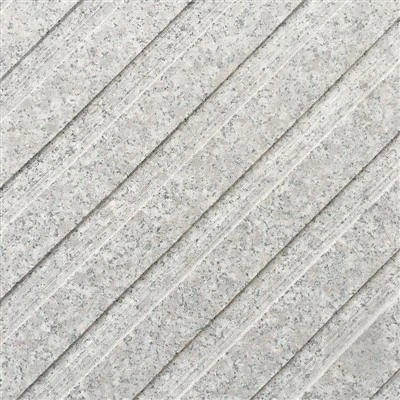
Now, if your granite facade is looking dull, has stubborn stains, or you just want to make sure your cleaning routine isn’t damaging it, feel free to reach out to us here at Granite Architectural Stone. We’ve been working with granite for over 15 years, and we’re happy to answer any questions, or even connect you with trusted professional cleaners if you need help restoring your facade. Whether you’re a homeowner with a residential granite wall, a commercial property manager with a downtown facade, or a contractor looking for the right granite for your next project, we’re here to help you get the best out of your stone.
Granite Slabs References:
- Natural Stone Institute. (2022). “How to Clean and Maintain Natural Stone Surfaces”.
- Stone Care Council. (2021). “Best Practices for Exterior Granite Facade Cleaning”.
- US Geological Survey. (2020). “Physical and Chemical Properties of Granite for Building Applications”.
Suichang Yongheng Stone Industry Co., Ltd.
With abundant experience, we are one of the most professional granite architectural stone manufacturers and suppliers in China. We warmly welcome you to wholesale premium granite architectural stone in stock here and get quotation from our factory. We also accept customized orders.
Address: Liantou Stone Industrial Park, Yunfeng Street, Suichang County, Lishui City, Zhejiang Province
E-mail: m13567645214@163.com
WebSite: https://www.yonghengstone.com/
