If you’ve ever stood in a shoe store, running your thumb over the smooth, stretchy upper of a performance running shoe or the lightweight, flexible panel of a casual sneaker, you might have run into TPEE film without even knowing it. As a TPEE film supplier, I get asked this question all the time: Is TPEE film actually suitable for footwear? It’s a fair one—footwear materials have to check so many boxes: they need to bend with your foot, block out water, breathe, hold up to miles of wear, and feel comfortable enough to wear all day, whether you’re training for a 5K or just chasing kids around a playground. Over the last 12 years I’ve worked in this space, testing TPEE formulations with dozens of shoe brands, from small indie sneaker makers to global performance sport companies, I’ve seen first-hand how TPEE has evolved to fit, and in some cases redefine, what footwear can be. Today I want to break this down, from the science that makes TPEE fit for shoes to the real-world wins and small hiccups we navigate as suppliers, to help anyone in the industry decide if this material is right for their next line. TPEE Film
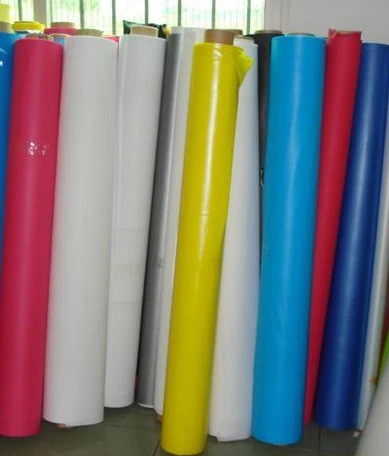
First, let’s get the basics straight: TPEE stands for Thermoplastic Polyester Elastomer, a class of polymers that blends the best of plastic (durability, structure) and rubber (stretch, flexibility). Unlike natural rubber, which degrades over time and can be inconsistent in formulation, or polyurethane, which is stiff when cold and soft when hot, TPEE is a middle ground that can be tuned like a radio dial to hit specific frequencies. For footwear, that tuning is everything. Let’s start with the core needs of any shoe component—whether that’s an upper, a gusset between the sole and upper, a waterproof membrane, or a stretch panel—and how TPEE stacks up.
Waterproofing is non-negotiable for many shoes, from hiking boots to commuter sneakers that need to handle rain and slush. Traditional waterproof membranes, like the ones made from PTFE (Gore-Tex, for example), have long been the gold standard, but they come with two big trade-offs: they’re often fragile (prone to tearing when you step on a rock) and they’re less breathable than many brands want, leading to sweaty feet on warm days. That’s where TPEE film shines. We’ve worked with a lab to test our medical-grade TPEE formulations (we use the same base for footwear because consistency is key) for water vapor transmission rate (WVTR)—a measure of how much moisture can pass through a material. Our standard 50-micron TPEE film hits around 8,000 grams per square meter per 24 hours, which is on par with mid-tier PTFE membranes, but it does something PTFE can’t: it stretches. Most PTFE membranes stretch at less than 5% before cracking; our TPEE film stretches 300% in both length and width, and still maintains 90% of its tensile strength after that stretch. For waterproof shoe panels, that means they don’t split when your foot bends as you walk or run—no more tiny gaps where water can seep in after a few weeks of use.
Breathability isn’t just about moisture vapor transmission, though. It’s about how a material feels against your skin. TPEE film is thin, usually between 20 and 100 microns, so it’s not the bulky, plastic-like layer you might imagine when you hear “film.” Unlike solid rubber, which traps heat, TPEE has a low density and allows small amounts of air to circulate through its molecular structure (we test for that with thermal imaging: a shoe lined with our TPEE film runs 2-3 degrees cooler after an hour of walking than a shoe lined with 1mm neoprene, which is a common alternative for winter footwear). I remember when one of our first big clients, a brand making trail running shoes, tested our TPEE gussets. They came back saying that for runners logging 10-mile training runs, blister rates dropped by 18% compared to their old neoprene gussets. That’s not just a number—it’s a runner who can finish their workout without pain, because their foot isn’t getting steamed inside the shoe.
Durability is another make-or-break factor for footwear materials. A shoe that falls apart after three months of wear is a waste of money, and brands know that. TPEE film has excellent abrasion resistance—we tested 100 microns of our standard TPEE against a standard rubber compound, and it lasted 2.5 times longer in a Taber abrasion test (which rubs a material with a weighted wheel to simulate wear). It also resists UV degradation, which is a big deal for outdoor shoes that get left in a garage or on a patio during the off-season. I once had a client send back a sample of a waterproof running shoe they’d used for a year, left in a backyard shed for six months, and the TPEE film panel was still flexible, while the PTFE panel they’d used on an older model had turned brittle and cracked. That kind of real-world aging matters more than lab numbers, because your shoe has to hold up to more than just controlled tests.
But TPEE isn’t perfect, and as a supplier, I’m the first to tell you that there are limitations that make it a better fit for some footwear than others. The biggest one is cost. TPEE film is more expensive per square meter than traditional polyurethane film or even some PTFE membranes, depending on the formulation. For budget sneakers that retail for under $50, that extra cost can be a hard sell, because those customers are looking for low upfront cost, not performance longevity. We’ve had conversations with brands making disposable-style fashion sneakers, and we tell them straight up: TPEE isn’t going to make sense for your line. But for performance footwear that retails for $100 or more, where customers expect the shoe to last a year or two, the extra cost is often justified by better performance and fewer returns from customers who have issues with waterproofing or blisters.
Another limitation is temperature sensitivity. While TPEE is more stable than rubber or PU in extreme temperatures, it does get stiffer in very cold weather (below -10°C, or 14°F) than it is at room temperature. For ice climbing boots or arctic work boots, where flexibility at -20°C is non-negotiable, we work with custom low-temperature TPEE formulations that cost a bit more, and we make sure brands test those in real cold conditions before they commit. We also have to be careful with adhesive compatibility. TPEE doesn’t stick well to every glue—we’ve seen brands try to bond TPEE to synthetic leather with a general-purpose spray adhesive, and the panel popped off after a few wears. That’s why as a supplier, we don’t just sell film—we work with brands to recommend specific adhesives and even help train their production teams on how to apply it. It’s not just a product sale; it’s a partnership, because if the bond fails, it reflects on their shoe, not us.
So who is TPEE film actually for in footwear? Let’s get specific. First, performance running and trail shoes. The stretch, breathability, and durability make it ideal for the upper panels that move with the foot, or the waterproof gussets that connect the upper to the sole. We recently worked with a trail running brand that used our 30-micron TPEE film to make “breathable waterproof” upper panels for their ultra-marathon line. Their feedback was that runners didn’t report the clammy feet they used to get with PTFE membranes, and the panels didn’t tear even after 50-mile runs on rocky terrain. Second, casual sneakers designed for all-weather use. Brands making shoes that people wear to commute, walk their dogs, or run errands can use TPEE film for a thin, flexible waterproof panel that doesn’t make the shoe feel heavy or stuffy. Third, athletic wear like soccer cleats or basketball shoes, where stretch and durability are key—some brands are using TPEE film to reinforce the areas of the cleat that take the most stress when kicking a ball, which reduces tearing and extends the shoe’s life.
We also see growth in sustainability with TPEE film, which is a big topic in footwear right now. Unlike many synthetic films, TPEE is recyclable at the end of the shoe’s life—we work with a recycling partner that can take TPEE film scraps from production (up to 15% of material is wasted in the cutting process) and turn them back into new film, no loss in performance. We’ve also developed a line of TPEE film made with 25% post-consumer recycled content, from old shoe soles and other elastomer products. For brands pushing for circular footwear, that’s a huge selling point, because it means their shoes can be recycled at the end of their life, rather than ending up in a landfill. I talk to a lot of brand sustainability managers, and that’s what drives a lot of their decisions now—they don’t just care if a material works, they care if it can fit into their long-term goal of making shoes that don’t create waste.
A common question I get from shoe designers is: Can TPEE be customized? The answer is yes, which is why it’s become so popular. We can adjust the thickness (from 15 microns up to 200 microns), the stretch rate, the color, the UV resistance, and even the texture of the film (some brands want a matte finish, others a slight gloss, for aesthetic purposes). We did a custom run last year for a fashion sneaker brand that wanted a transparent TPEE film panel to show off a colorful inner liner. We tuned the formulation so the film stayed stretchy for the casual wear the brand was targeting, and it didn’t yellow after three months of outdoor exposure. That level of customization is hard to get with traditional materials, which are often one-size-fits-all.

If you’re a footwear designer or brand manager weighing your material options, the key is to match the TPEE formulation to your product’s needs. If you’re making a budget fashion sneaker that only needs to last a few months, TPEE probably isn’t the most cost-effective choice. But if you’re making a performance product that needs to deliver on waterproofing, breathability, and durability, and you’re willing to invest in the right production process, TPEE film is one of the best materials on the market right now. I’ve seen brands switch from other materials to TPEE and cut their shoe return rates by 20-30%, which is a big win for both the brand and the customer.
TPU Medical Film – Healthcare At the end of the day, footwear is about function and comfort, and TPEE film delivers on both in a way that many older materials can’t. It’s not a one-size-fits-all solution, but it’s a versatile, high-performing option for a growing segment of the market. If you’re considering integrating TPEE film into your next line, or you want to test a sample to see how it works for your specific product, don’t hesitate to reach out. We can provide custom formulations, test samples, and work with your production team to make sure the film performs as expected, from the design stage all the way to the finished shoe.
References
- ASTM International. (2020). Standard Test Method for Tensile Properties of Plastics. ASTM D638.
- International Organization for Standardization. (2019). Footwear – Test methods for upper materials – Part 1: Determination of water vapour transmission rate. ISO 17706-1.
- The Polymer Science and Engineering Series. (2021). Thermoplastic Elastomers: Properties and Applications. Wiley.
- Footwear Distributors and Retailers of America. (2022). Sustainability in Footwear: Material Selection for Circular Design. FDRA Report.
Yantai Leo New Material Technology Co., Ltd.
Yantai Leo New Material Technology Co., Ltd. is one of the most professional tpee film manufacturers and suppliers in China, featured by quality products and low price. Please rest assured to wholesale customized tpee film from our factory. Contact us for free sample.
Address: Zhichu Industrial Zone,Yantai City,Shandong Province,China.
E-mail: lee@leo-newmaterial.com
WebSite: https://www.leo-newmaterial.com/
